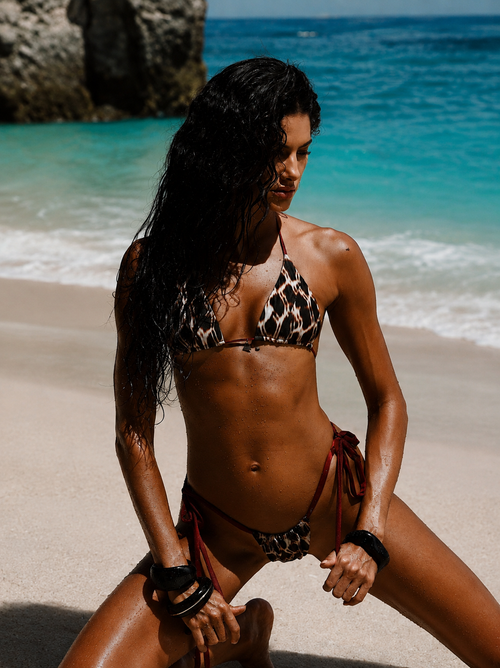
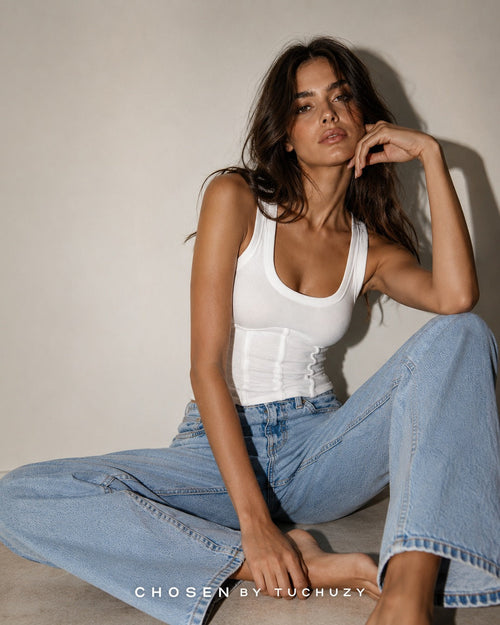
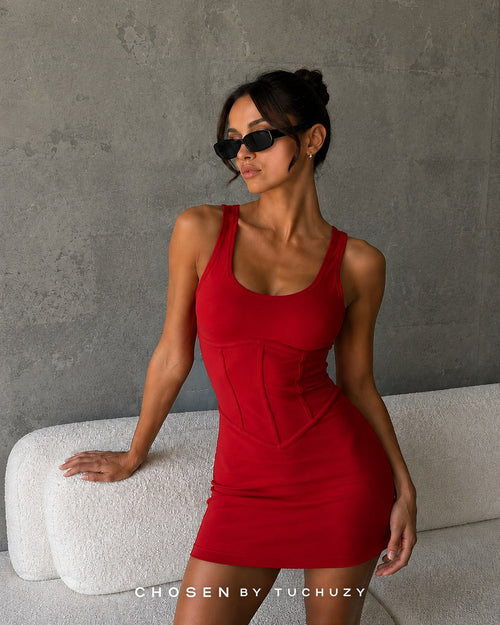
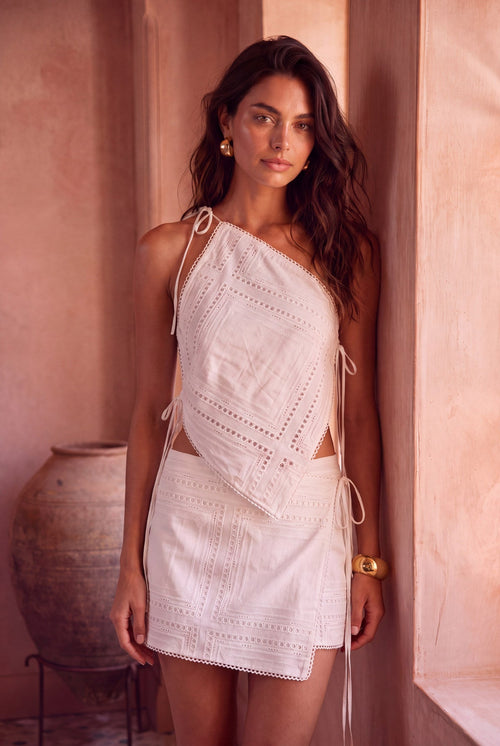










Almost every considered wardrobe in this part of the world runs on two fibres. Not silk, not wool, not anything technical. Linen and cotton. They sit next to each other on the rail, they get reached for in roughly equal measure, and most people have never once thought about why they choose one over the other on a given morning. The linen vs cotton question is worth actually answering, because the two behave differently in ways that decide whether a piece gets worn a hundred times or twice.
We have been buying natural fibre for a Bondi shop since 1995, which mostly means we have watched what comes back and what does not. Here is the honest comparison, without the marketing language.
Where the Two Fibres Come From
Cotton is a seed fibre. It grows in a boll around the seed of the cotton plant, and the fibres are short, soft and slightly twisted, which is what makes cotton yarn fluffy and comfortable against skin from the first wear.
Linen is a bast fibre, which means it comes from the stem of the flax plant rather than a seed head. The fibres are long, straight and considerably stronger, and they have to be separated from the woody stalk before spinning. That structural difference explains nearly everything else about how the two fabrics behave.
Long, straight fibres make a fabric that is stiffer, more durable, more absorbent and more breathable, but also more prone to creasing. Short, twisted fibres make a fabric that is softer, drapes closer to the body and holds a smooth surface, but wears thinner over time. Neither is better. They are answers to different questions.
Breathability, Heat and Why Linen Wins the Australian Summer
This is the difference that matters most in a coastal climate. Linen fibre is hollow at its core and is typically woven loosely, and the resulting cloth sits away from the skin rather than against it. Air moves through it and moisture moves out of it, which is why a linen shirt feels cool at thirty degrees and a cotton t-shirt starts to feel damp.
Cotton absorbs moisture too, arguably more readily, but it holds onto it. That is excellent in a towel and much less useful in a garment you are wearing through a hot afternoon. In practical terms: linen for the day that involves standing outside, cotton for the day that involves air conditioning.
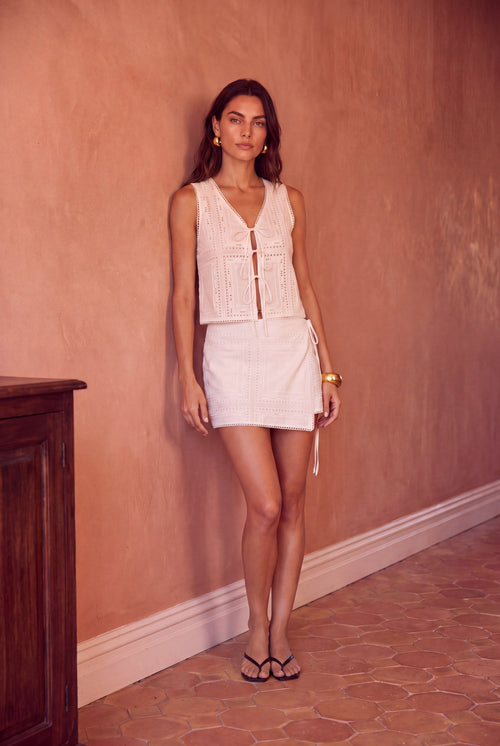
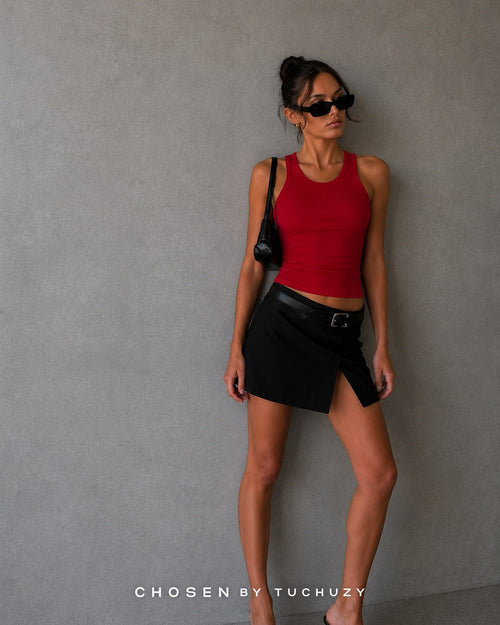
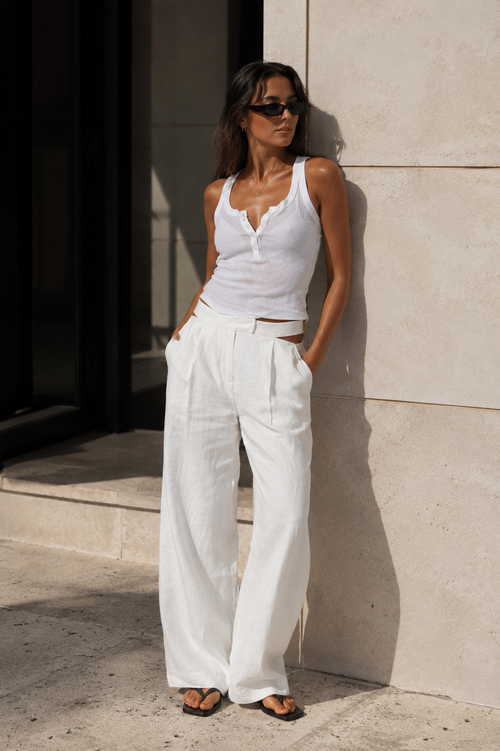
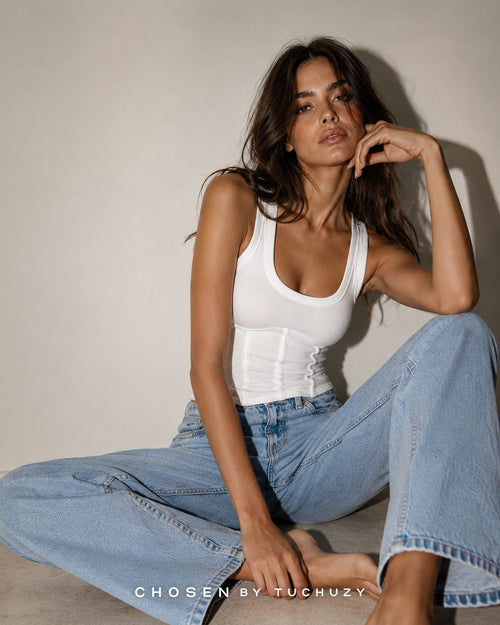
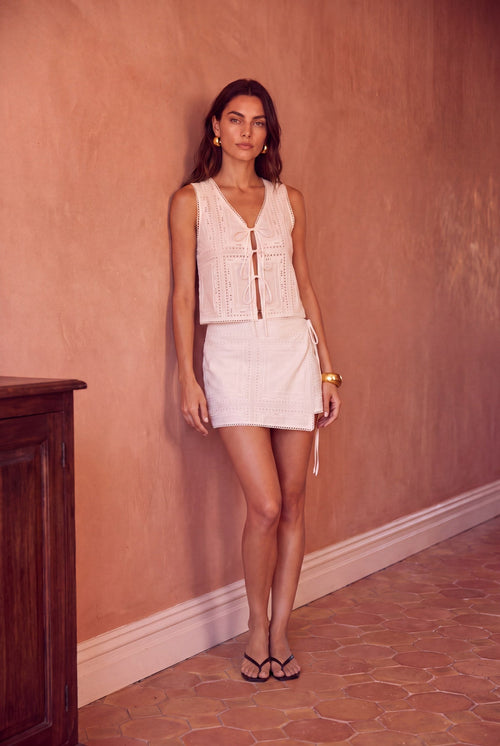
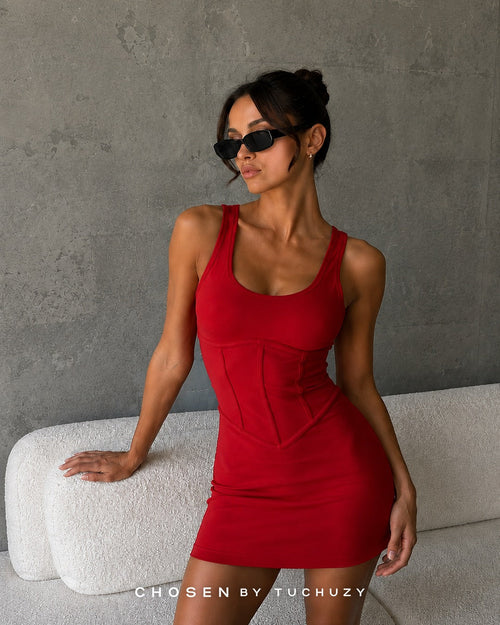
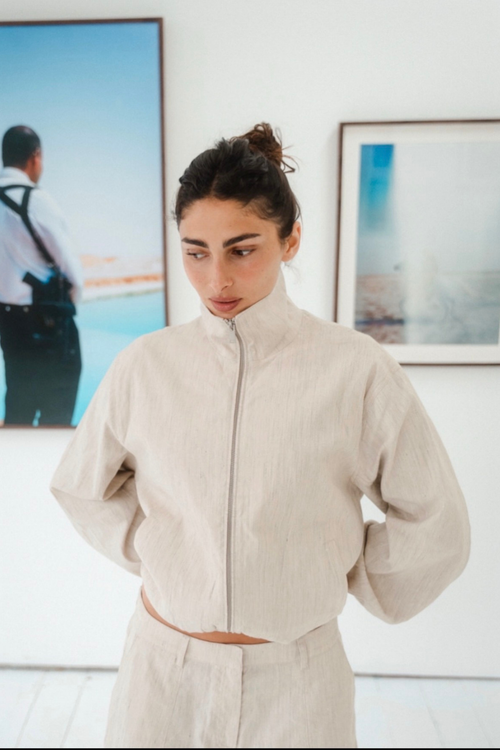
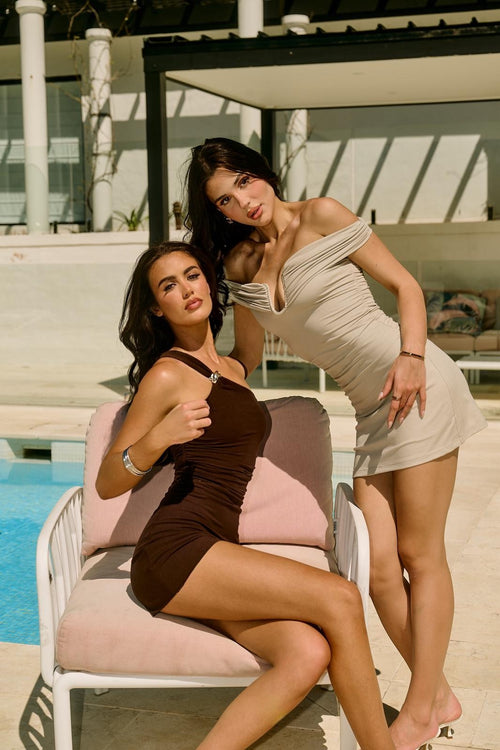
The linen edit is where we would start for anything from November through March. The Deconstructed Linen Pant in White is a good illustration of the fibre doing what it is best at - a wide, loose leg that moves air and keeps its shape through a full day. The Linen Wrap Mini Skirt in Black applies the same logic to a shorter length. Both come from Chosen by Tuchuzy, our in-house label, and both sit within the wider pants and skirts edits.
Softness, Drape and Where Cotton Is the Better Answer
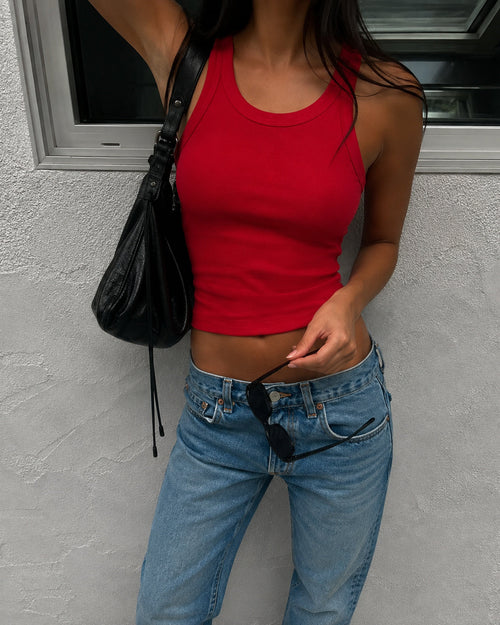
Cotton is the more comfortable fibre on first contact, and it is the better choice for anything that needs to sit close to the body. A fine cotton jersey drapes; linen jersey largely does not. A cotton tank holds a smooth line under a jacket; a linen one will crease at every point where it folds.
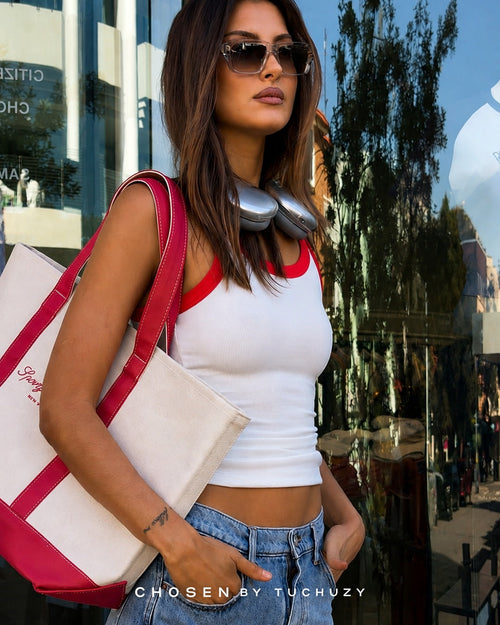
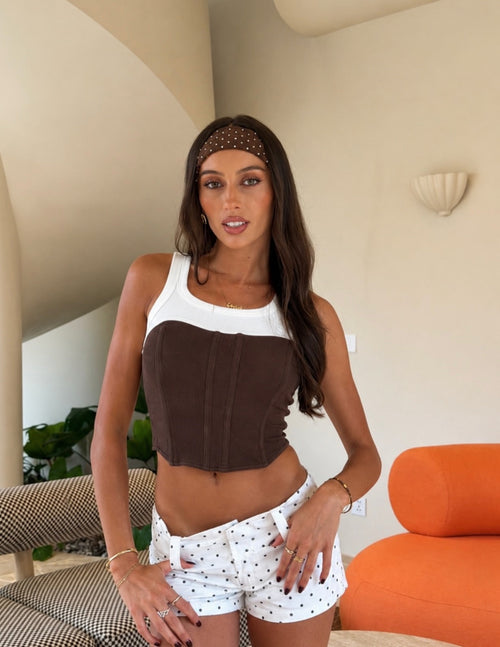
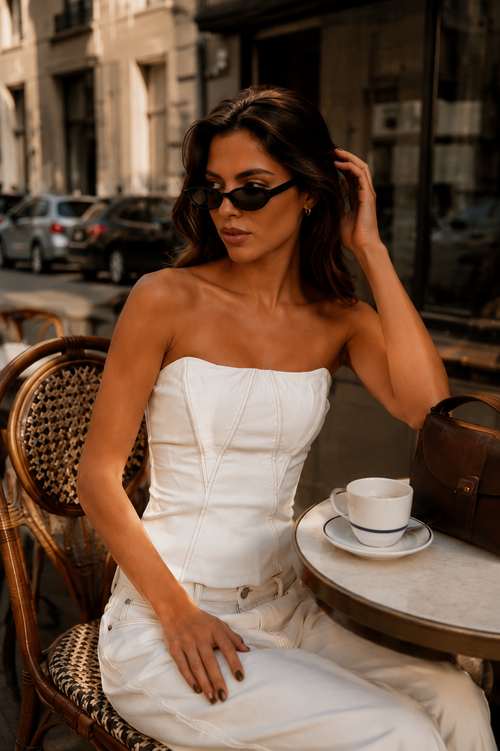
Cotton also takes colour differently. Because the fibre is smoother and more uniform, dyes sit evenly, which is why cotton pieces tend to look cleaner in solid colour and why the best plain tee you own is almost certainly cotton. The Perfectwhitetee Harley Boxy Crew Tee is a fair benchmark for what a properly made cotton tee feels like, and the full Perfect White Tee range is built around that single idea. The broader tops and tanks edit is where most cotton basics live.
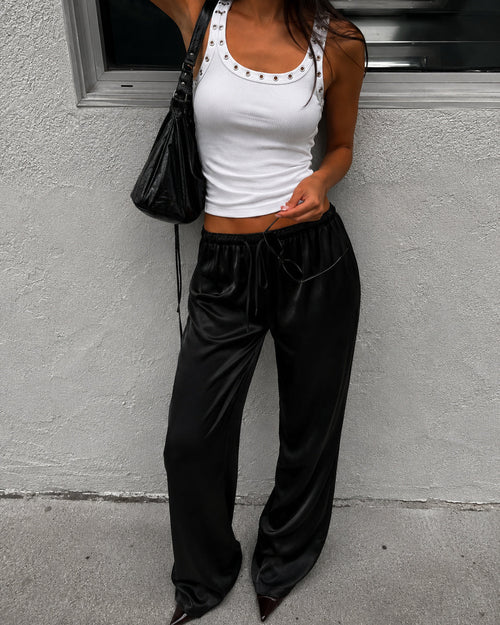
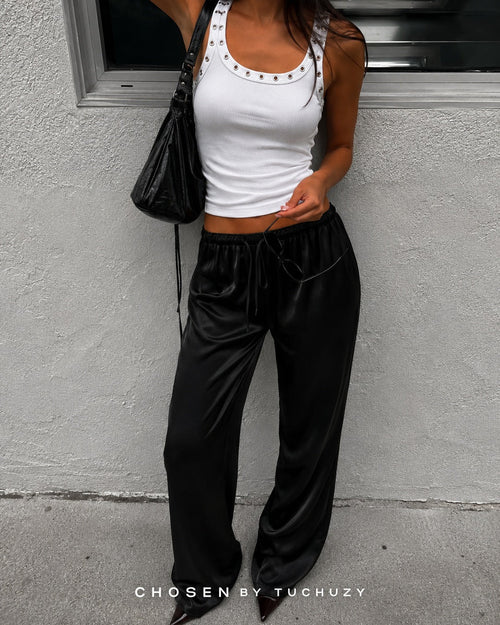
The Eyelet Scoop Tank in White shows a third route worth knowing about: an open eyelet detail, which builds airflow into the weave itself rather than relying on the fibre alone. It is a useful trick when you want a soft handle and still need the fabric to breathe.
Creasing: The Real Deciding Factor
Let us be direct about this, because it is the reason most people avoid linen. Linen creases. It creases in the car, it creases when you sit down, and no finishing treatment fully prevents it. The long, stiff fibres do not spring back the way cotton's twisted ones do.
The question is whether that bothers you. There is a whole aesthetic built around the fact that it does not - the softly rumpled linen shirt reads relaxed and expensive precisely because it is visibly a natural fibre behaving naturally. If you want a crisp line all day, cotton will get you closer, and a cotton-linen blend will get you closest of all while keeping some of the breathability.
Our practical advice: choose linen for silhouettes that are already loose, where creasing reads as texture rather than as damage. Choose cotton for anything fitted, tailored or worn under a layer, where a crease reads as a mistake.
Durability and How Each One Ages
Linen is the stronger fibre by a clear margin, and it gets stronger when wet, which is why it survives washing so well. A good linen garment genuinely softens over years without thinning, and the hand-feel at year five is better than at year one. This is the fibre's real argument.
Cotton softens too, but it softens by wearing away. The fibres shed with each wash, which is what produces that lovely broken-in tee and also what eventually produces a hole at the shoulder seam. A high-quality cotton with a longer staple length will last considerably longer than a cheap one, which is most of what you are paying for in a well-made tee.
If you are building a wardrobe you intend to keep, that difference is worth weighting. A linen piece is more likely to still be in rotation in five years. Our guide to building a wardrobe that actually lasts goes further into that thinking.
Caring for Both
Care is where most natural-fibre garments are lost, and the rules are simple enough to remember.
- Wash cold, both of them. Heat is what shrinks cotton and what stiffens linen. Cold water and a gentle cycle solves most problems before they start.
- Skip the dryer. Line drying is better for both fibres, and for linen it is close to essential - a tumble dryer sets creases into the fabric far more stubbornly than air drying does.
- Dry linen out of direct sun. Prolonged sunlight will fade colour and eventually weaken the fibre. Shade and airflow is the combination you want.
- Iron linen damp. If you want it crisp, press it while it still holds moisture. Ironing bone-dry linen is a losing battle.
- Fold rather than hang knitted cotton. Cotton jersey stretches on a hanger at the shoulders. Woven cotton shirts are fine hung; knits are not.
We have longer, fibre-specific pieces on how to wash linen and on caring for your clothes generally, if you want the detail.
Building a Wardrobe That Uses Both
The most useful conclusion is that this was never really an either-or. A working warm-weather wardrobe is mostly linen on the outside and cotton underneath. A linen trouser with a cotton tank. A linen overshirt over a cotton tee. A linen skirt with a fine cotton knit as the evening cools.
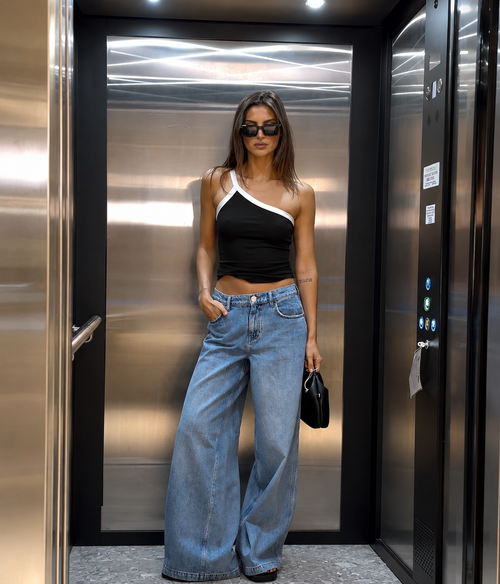
The Asym Twist Linen Top in Butter is the kind of piece that anchors that approach - linen doing the visible, structural work while the layers beneath stay soft. Look at the Chosen by Tuchuzy tops and matching sets edits together and the two-fibre logic becomes fairly obvious.
Your Questions Answered
Which is cooler in hot weather, linen or cotton? Linen, clearly. The fibre is more breathable, it holds the fabric away from the skin, and it releases moisture faster. Cotton is comfortable but holds damp against you, which is why it feels heavier as the day goes on.
Is linen or cotton better for sensitive skin? Both are natural and generally well tolerated. Cotton is softer on first contact, which makes it the gentler starting point. Linen begins firmer but softens substantially with washing, and its higher breathability can suit people who overheat easily.
Does linen shrink more than cotton? Both shrink, mostly on the first wash and mostly from heat. Cotton typically shrinks a little more overall. The fix for both is the same: cold water, no dryer.
Is a linen-cotton blend worth it? Often, yes. A blend keeps a good portion of linen's breathability while creasing noticeably less and feeling softer immediately. It is a sensible compromise for tailored shapes where a full linen would crease in the wrong places.
Which one is the more sustainable choice? This depends far more on how a specific garment was grown, processed and finished than on the fibre category itself, so we are careful about broad claims. What we can say plainly is that flax generally requires less water than conventional cotton to grow, and that both are natural fibres that biodegrade in a way synthetics do not. Beyond that, the honest answer is that the label matters more than the fibre, and buying a piece you will wear for years matters most of all. Our piece on what we look for before we stock a label sets out how we assess it.
Tuchuzy ships worldwide, including across Australia and to the United States, so the linen and cotton pieces you build a summer around reach you wherever your summer happens to fall. Or come and feel the difference between the two in your hands - visit us on Hall Street in Bondi Beach.