







































Linen rewards the people who look after it. Few fabrics improve with age the way linen does - softening wash after wash, holding its colour, outlasting almost everything else in the wardrobe - but that longevity is earned, not automatic. Knowing how to wash linen properly is the difference between a piece that looks better in its third summer than its first, and one that shrinks, stiffens or fades before it ever gets the chance. As a boutique that has been selling natural-fibre pieces from Bondi Beach since 1995, and whose own Chosen by Tuchuzy label leans heavily on the fabric, we have fielded every linen care question there is. This is the complete answer.
Why Linen Deserves the Effort
Linen is spun from flax, one of the oldest cultivated fibres in the world, and the qualities that make it a summer staple - breathability, moisture-wicking, that dry handle in humid heat - come from the structure of the fibre itself. Flax fibres are naturally strong and become supple rather than fragile with washing, which is why well-kept linen is famously handed down rather than thrown out. Caring for it well is also the most genuinely sustainable habit in fashion: the greenest garment is the one that stays in your wardrobe for a decade. A considered piece like the Chosen by Tuchuzy Asym Twist Linen Mini Dress in Butter from our linen edit is designed for exactly that long life - provided the washing machine cooperates.
How to Wash Linen: The Rules That Matter
The good news is that linen is far less precious than its reputation suggests. The essentials:
Wash cool or lukewarm. Cold to thirty degrees is the safe zone. Hot water is the main culprit behind shrinkage and can weaken fibres over time. A gentle machine cycle is fine for most garment-washed linen - check the care label first, as tailored or lined pieces may call for hand washing or dry cleaning.
Use a mild detergent, skip the bleach. Harsh detergents and optical brighteners dull linen over time, and chlorine bleach can yellow or weaken it. A gentle liquid detergent is all the fabric needs. Skip fabric softener too - it coats the fibres and interferes with the natural softening that washing already delivers.
Wash with like colours, inside out. Deep shades in particular hold their depth longer when turned inside out and washed with similar tones in cooler water.
Do not overload the machine. Linen creases where it is crushed. Giving pieces room in the drum means fewer, softer wrinkles and less ironing on the other side.
Drying: Where Most Linen Is Won or Lost
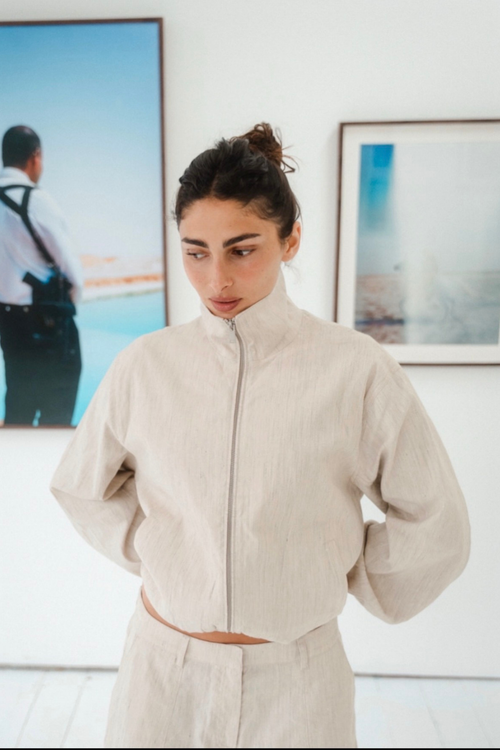
If you remember one thing, make it this: air dry. The tumble dryer is where linen shrinks, and high heat is harder on flax than any wash cycle. Shake the garment out while damp, smooth the seams with your hands, and hang it on a proper hanger or lay it flat in the shade - direct harsh sun can fade deeper colours. Linen dries quickly by nature, one of its many practical virtues, so the wait is short. Pieces like the Chosen by Tuchuzy Linen Raw Low Rise Pants will actually hang most of their creases out on the line if smoothed while damp, which brings us to the next question entirely.
The Wrinkle Question, Answered Honestly
Linen creases. That is not a flaw; it is the signature of a natural fibre, and a softly rumpled linen shirt is part of the fabric's entire aesthetic language - nobody on the Bondi to Bronte walk has ever looked at beautiful linen and thought it needed pressing. But for the occasions that call for crispness, iron while the garment is still slightly damp, on a medium-hot setting, ideally on the reverse of the fabric. A steamer is the gentler everyday option and relaxes creases without flattening the linen's natural texture. Between wears, hang linen rather than folding it tightly, and give it air - flax is a fibre that likes to breathe, which makes it wonderfully resistant to holding odours between washes. Often a hang in fresh air is all a lightly worn piece needs, which means fewer washes and a longer life again.
Stains, Marks and the Gentle Fixes
Summer fabrics live summer lives, and sooner or later the rosé finds the white linen. The cardinal rule is speed and gentleness together: blot, never rub, and get to cool water as soon as you reasonably can. Rubbing pushes a stain deeper into the weave and can rough up the surface of the fibre; a patient dab with a clean cloth lifts most fresh marks before they set. For oil-based stains, a small amount of gentle dish soap worked softly into the spot before a cool wash does the heavy lifting. For tannin stains - wine, tea, coffee - cool water immediately, then a mild detergent soak. What you should not reach for is hot water, which can set a stain permanently, or chlorine bleach, which trades a stain for weakened, yellowed fabric.
White linen has one advantage the rest of the wardrobe envies: sunlight. An hour or two flat in gentle sun after washing is a traditional, chemical-free brightener for whites - though the same treatment will fade your colours, so reserve the trick for the white pieces alone. And when a stain simply will not move, a professional cleaner who knows natural fibres is a far better bet than escalating chemistry at home. One professional rescue is cheaper than one replaced garment, and considerably cheaper than the habit of treating good clothes as disposable.
Building a Linen Wardrobe Worth Caring For
Care rituals make the most sense when the pieces deserve them. The Tuchuzy linen collection is built around garments cut to be worn for years, not seasons: the Tailored Micro Linen Shorts for the height of summer, the Linen Resin Halter Top in Black for evenings that stay warm, and the embroidered pieces - like the Embroidery Shirt in White - that pair back to everything in the wider designer shirts and womens dresses edits. For trousers cut from the same easy fabrics, browse Chosen by Tuchuzy pants, where the Chosen by Tuchuzy Embroidery Pant in White is a favourite to wear on repeat. Australia is deep in winter as we write this, which makes it exactly the right moment to care for, repair and store summer linen properly - while our friends in the northern hemisphere are living in theirs daily. Tuchuzy ships worldwide, including to the United States, so the linen edit works both hemispheres at once. And if you are near the beach, visit us on Hall Street - feeling the weight of good linen in hand remains the best argument for it.
Your Questions Answered
Can I put linen in the washing machine?
Yes - most garment-washed linen handles a gentle machine cycle in cool or lukewarm water with mild detergent. Always check the care label first, especially for tailored, lined or embellished pieces, which may need hand washing or professional cleaning.
Does linen shrink in the wash?
It can, and heat is almost always the cause - hot water or a hot tumble dryer. Wash cool and air dry and shrinkage is rarely an issue. If a label allows tumble drying at all, use low heat and remove the piece while slightly damp.
How often should I wash linen clothes?
Less often than you think. Linen is naturally breathable and resists odour, so a hang in fresh air between wears is often enough. Washing only when genuinely needed is better for the garment and is the single easiest sustainability habit to adopt.
How do I get wrinkles out of linen without an iron?
Hang the garment in the bathroom during a hot shower, or use a hand steamer - both relax creases while keeping the fabric's natural texture. Smoothing seams by hand while the piece is still damp from washing prevents most deep creases forming at all.
How should I store linen between seasons?
Clean, completely dry, and somewhere that breathes - a cotton garment bag or a shelf rather than sealed plastic, which can trap moisture. Fold loosely or hang, and your linen will come out of storage exactly as it went in.