












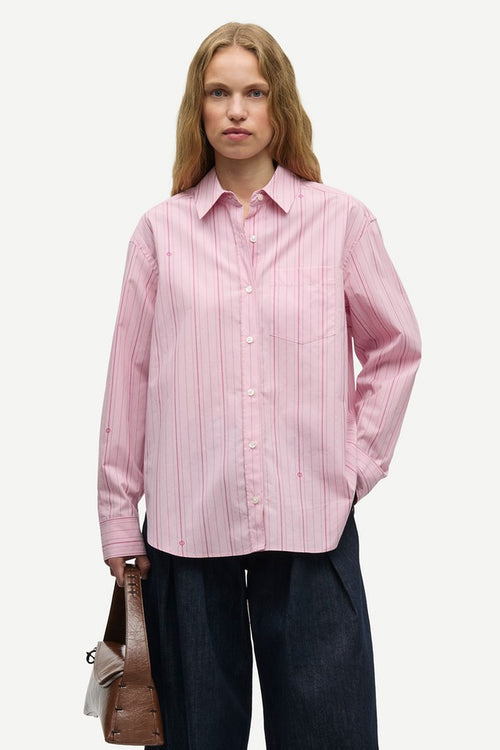
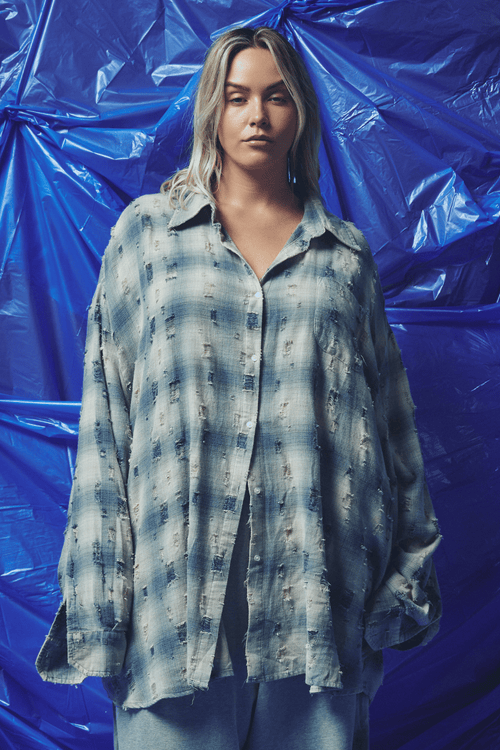


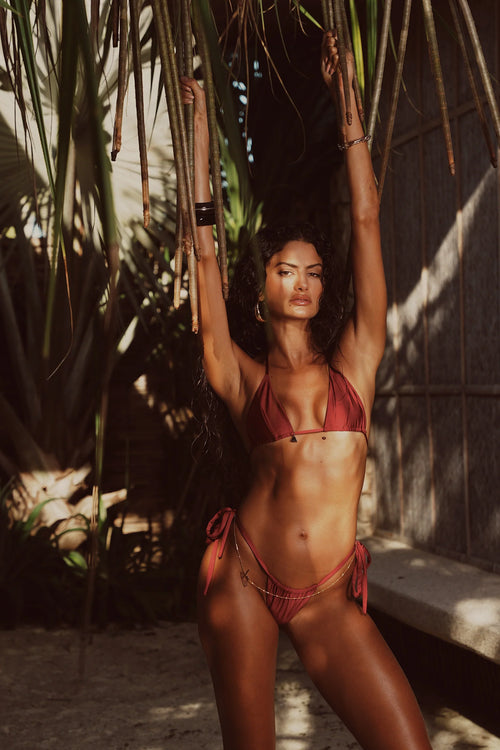
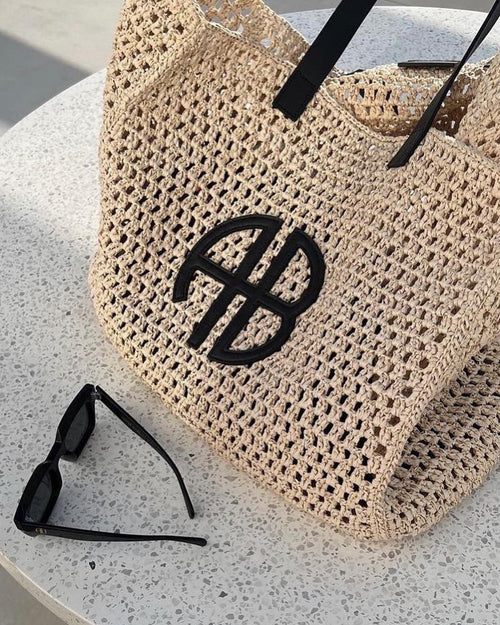










Every wardrobe has two kinds of clothes. There are the pieces you reach for without thinking, the jeans, the white tee, the jacket that goes over everything, and there are the pieces that hang in the cupboard with the tags still on, waiting for an occasion that never quite arrives. The difference between them is not how much they cost at the till. It is how much they cost you each time you put them on.
That idea has a name: cost per wear. It is the simplest, most honest tool we know for building a wardrobe that lasts, and it sits at the heart of how we buy for the boutique on Hall Street in Bondi Beach, where we have been choosing pieces since 1995. This guide explains how cost per wear works, how to use it without turning getting dressed into accounting, and which kinds of pieces tend to earn their place.
What Cost Per Wear Actually Means
Cost per wear is the price of a garment divided by the number of times you wear it. That is the whole formula. A piece you wear once costs you its full price for that single outing. A piece you wear a hundred times costs you a hundredth of that each time.
The point is not the arithmetic. It is the shift in thinking. Cost per wear moves the question from how much is this to how often will I actually wear this, and the second question is the one that leads to better decisions. It explains why a well-made pair of jeans you live in can be far better value than a cheaper pair that loses its shape after a season, and why the bargain dress bought for one party is often the most expensive thing in the wardrobe.
It also connects directly to the bigger idea behind slow fashion: fewer, better pieces worn for longer. If you want the wider picture, our slow fashion guide is the pillar this piece sits under. Cost per wear is the practical habit that makes slow fashion work day to day.
How to Use It Without Overthinking
Nobody needs a spreadsheet to get dressed. The most useful way to apply cost per wear is as a quick question in the fitting room, or with an item in your basket.
- Count the outfits, not the occasions. Before you buy, name three things already in your wardrobe the piece will go with. If you cannot, it is likely to sit unworn.
- Think in seasons. Will you wear it through more than one season, or only for a few weeks of the year? A piece that works across spring, summer and autumn earns its keep three times over.
- Be honest about your week. Buy for the life you live, not the one in the photo. If most of your days are school runs, desk days and weekend coffee, the pieces that serve those days will have the lowest cost per wear.
- Check the care. A garment you can wash easily and keep looking good will be worn more. One that needs special handling every time tends to stay on the hanger.
The Pieces That Usually Win
Across thirty years of watching what our customers come back for, a pattern is clear. The pieces with the lowest cost per wear are rarely the loudest. They are the foundations everything else is built on.
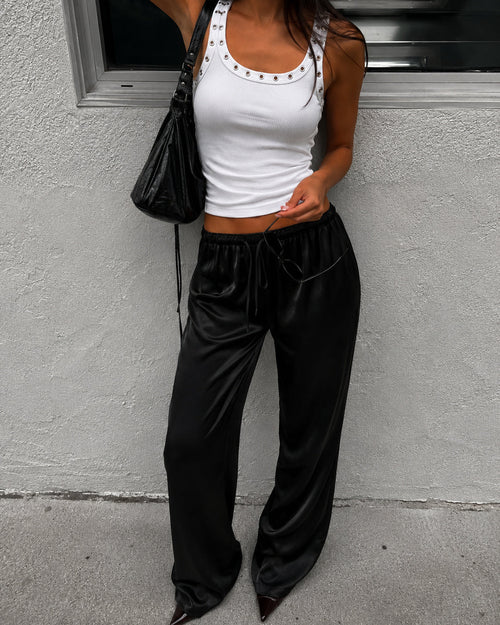
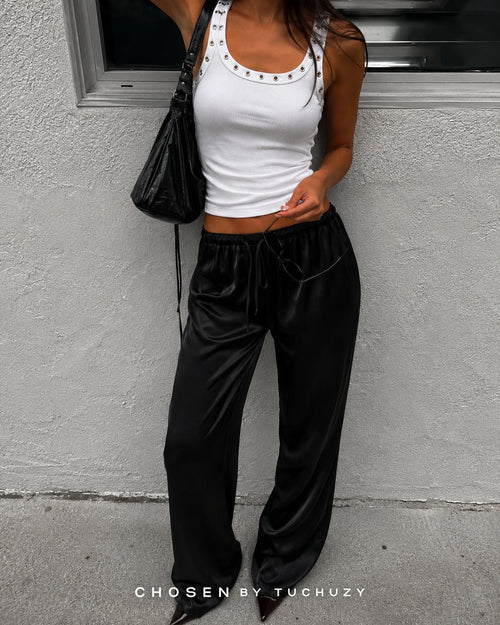
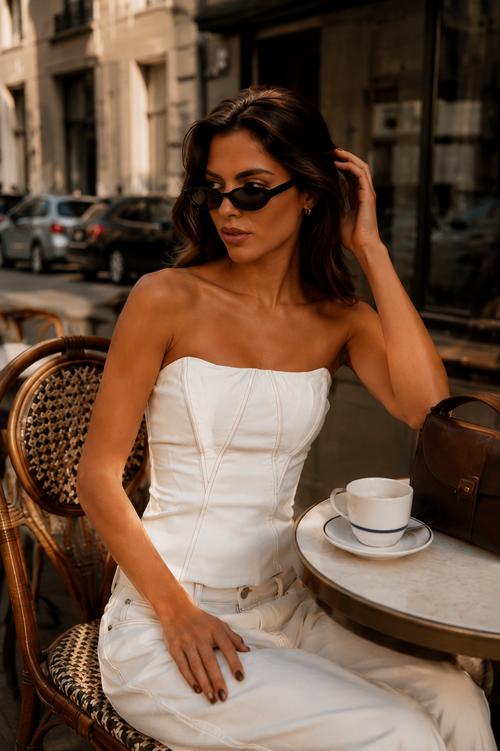
A good white top. It goes under a blazer, over swimwear, with jeans and with a skirt. The Chosen By Tuchuzy Classic Corset Tee in White does all of that with a little more shape than a plain tee. The Chosen by Tuchuzy Core collection gathers the label's everyday basics in one place, and the Perfect White Tee edit covers the classic cotton version.
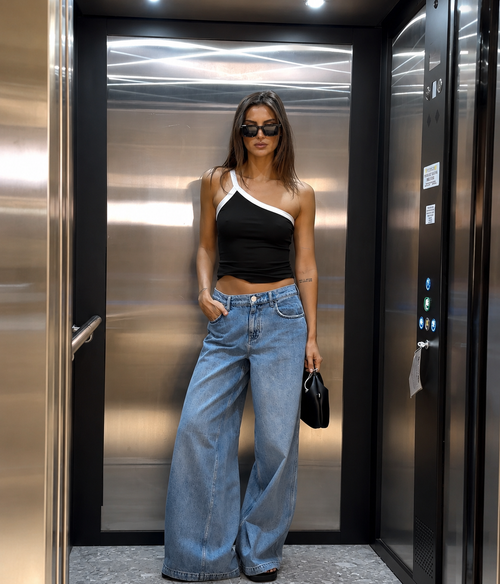
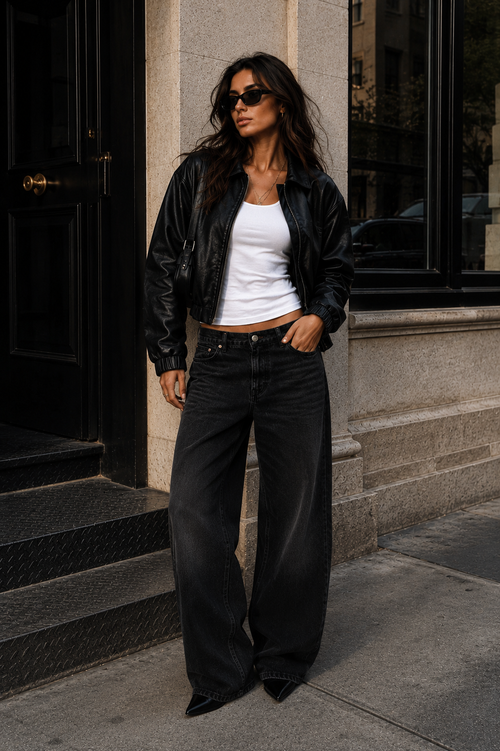
Jeans you never take off. Denim is the textbook cost per wear piece, because a well-cut pair can be worn several times a week for years. The Seventy + Mochi Sadie Jean in Idaho is a high-rise straight leg the label describes as made from sustainable cotton denim, and the wider Seventy + Mochi edit lists fibre content on each product page so you can see exactly what you are buying. For every other cut and label, browse the full women's denim collection.
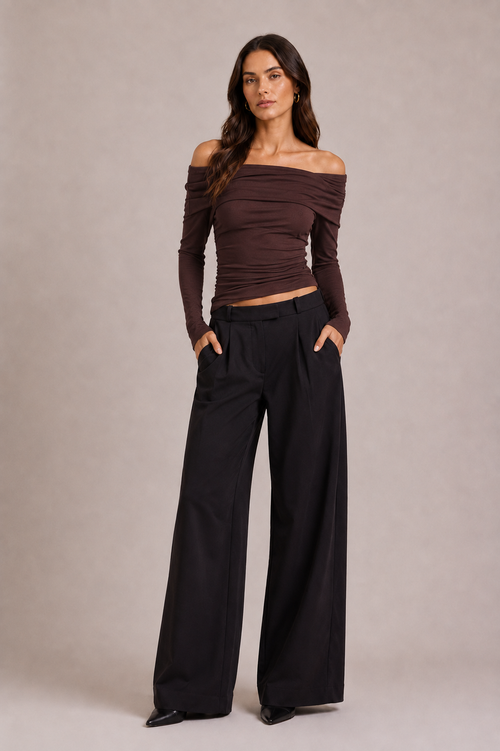
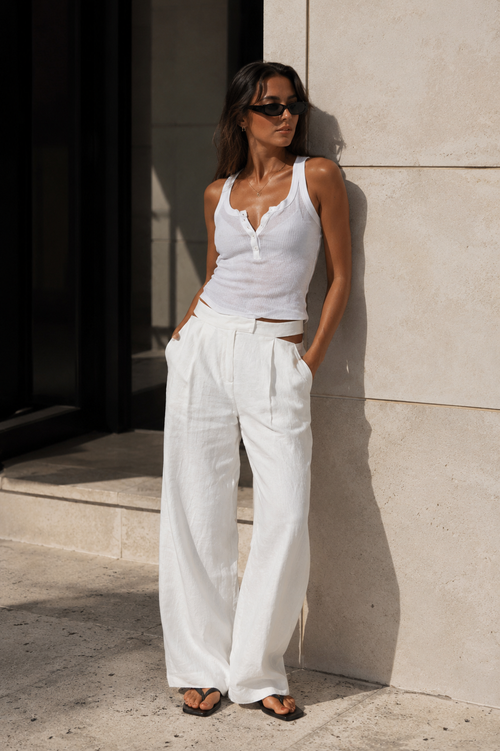
A pant that works every day. A relaxed natural-fibre trouser does work, weekend and holiday. The Chosen By Tuchuzy Deconstructed Linen Pant in White is the piece we pack for every warm-weather trip and wear all summer at home, and our linen edit holds the shirts, shorts and dresses that sit alongside it.
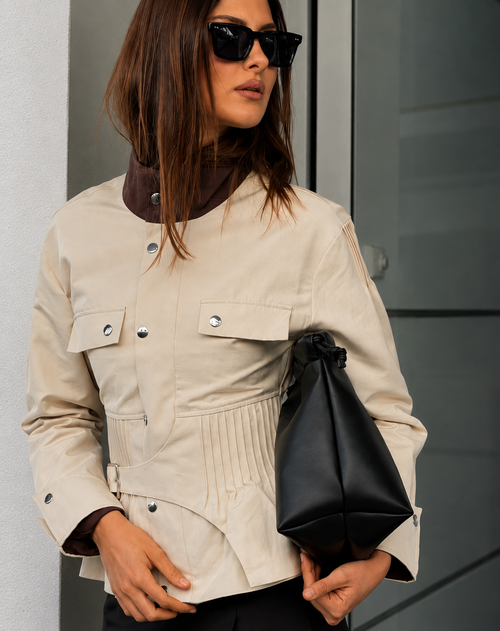
One jacket that goes over everything. A single outer layer you can throw over a dress, a tee or knitwear is worn far more than a statement coat. The Chosen By Tuchuzy Sophia Vegan Leather Jacket in Black is cut to sit over most of a wardrobe, and the broader Chosen by Tuchuzy jackets and women's jackets edits cover lighter and heavier layers.
A sweatshirt for the in-between hours. The layer for early walks, flights and cool evenings is one of the most worn things anyone owns. Our Anine Bing sweatshirts edit is built around that kind of daily use.
Where Cost Per Wear Gets Tricky
Cost per wear is a guide, not a rule, and it has blind spots worth knowing.
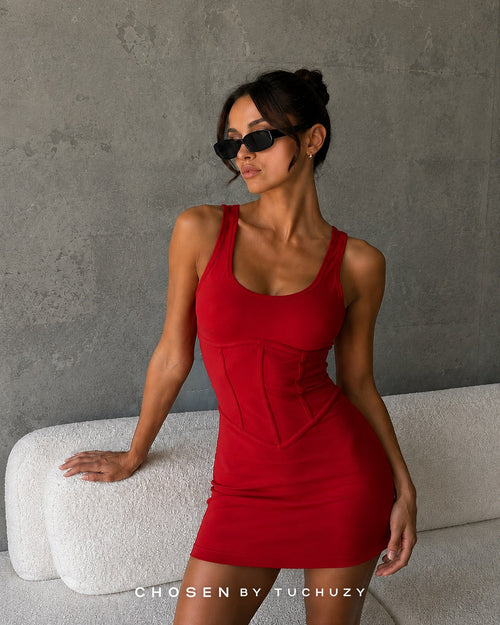
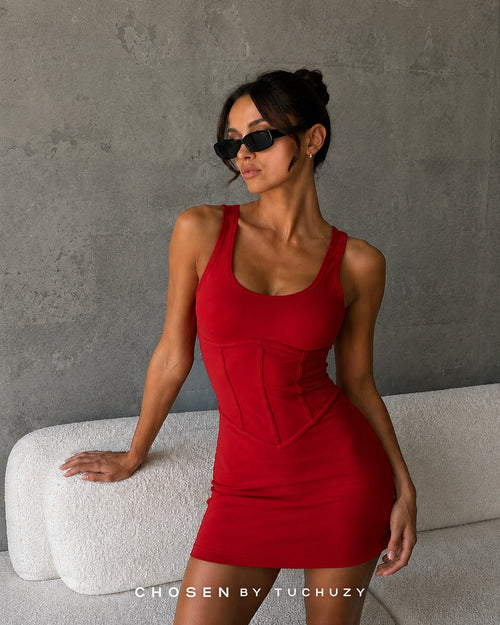
Occasion pieces will never win on the numbers alone, and they do not have to. A dress for a wedding or a milestone birthday is worth buying when it is the right dress. The cost per wear habit simply asks you to choose an occasion piece you could wear again: a colour you love, a shape that can be dressed down, a fabric that will not date. Our Chosen by Tuchuzy dresses are designed with that kind of second life in mind.
Fit matters more than the formula. A piece that does not fit properly will not be worn, however versatile it looks on paper. If something needs a small alteration to be perfect, that is usually worth doing. A piece that needs to be completely different to suit you is not.
Finally, cost per wear is only as good as your care. The number of wears a garment can give you depends on how it is washed, dried and stored. Cold washes, line drying in the shade and folding knits rather than hanging them can add years to a piece. Our guide to caring for your clothes and our linen care guide cover the details.
A Simple Habit to Start This Week
If you want to try cost per wear without changing everything at once, start with one small habit. For the next month, turn every hanger in your wardrobe the wrong way round. Each time you wear something and hang it back, turn its hanger the right way. At the end of the month you will see, very clearly, what you actually wear and what you only think you wear.
The pieces with turned hangers are your foundations. Look at what they have in common, the colours, the shapes, the fabrics, and buy more in that direction. The pieces that never moved are worth a second look: restyle them, pass them on, or simply remember why they did not work before you buy something similar again.
If you are in Sydney, come and talk it through in person. Visit us on Hall Street in Bondi Beach and we will help you find the pieces that will earn their place. If you are further away, Tuchuzy ships worldwide, including across Australia and to the United States.
Your Questions Answered
How do you calculate cost per wear?
Divide what you paid for a garment by the number of times you wear it. The more often you wear it, the lower its cost per wear becomes. The real value of the calculation is the habit of asking how often you will actually wear something before you buy it.
Is a more expensive piece always better value?
No. A higher price only pays off if the piece is well made, fits you and suits the life you actually lead. An expensive piece that sits unworn has the worst cost per wear of all. Quality, fit and versatility matter more than price.
Which pieces usually have the lowest cost per wear?
Everyday foundations: a good white top, jeans that fit, a relaxed natural-fibre pant, one jacket that goes over everything and a sweatshirt for cool mornings and travel. These are worn several times a week, often for years.
How does cost per wear relate to sustainable fashion?
Wearing what you own more often, and buying fewer pieces that last longer, is one of the most practical ways to reduce the impact of a wardrobe. Cost per wear is a simple way to put that into practice every time you shop.
What about clothes for special occasions?
They will rarely win on cost per wear alone, and that is fine. Choose occasion pieces you could wear again, in a colour and shape that can be dressed up or down, so a single event is not the only time they leave the wardrobe.