


































Linen is the fabric a Bondi summer lives in, and it is also one of the easiest to look after once you know a few simple habits. It is a natural fibre made from the flax plant, it breathes in the heat, and it tends to soften and improve the more it is washed. The trouble is that many people are nervous about it, and so they either wash it badly or never wear it. This is a plain-spoken guide on how to wash linen, written from the racks of our Hall Street boutique in Bondi Beach, so your favourite pieces last for years rather than a single season.
One note before we start. Every garment is different, and the care label inside is always the final word. What follows is general good practice for linen, not a replacement for what the maker has told you about a particular piece.
Why Linen Deserves a Little Care
Linen is made of long fibres that are strong when they are cared for properly and a little stiff when they are new. The wrinkles that put some people off are part of its character, and a certain lived-in crumple is exactly what makes it look relaxed rather than precious. Washing is the thing that turns a crisp new linen piece into a soft one, so the goal is not to avoid the machine but to use it gently and sensibly.
Buying fewer pieces and wearing them for longer is one of the most practical forms of conscious dressing, and caring for them well is half of that equation. We are not making claims about any garment's environmental impact here. We are simply saying that a well-cared-for piece you wear for years is a better use of a wardrobe than one you replace every summer. If that idea appeals, our plain-spoken guide to building a wardrobe that lasts goes further.
Before You Wash: Read the Label and Sort
Start with the care label, which will tell you the maximum wash temperature and whether the piece can go in the machine at all. Then sort. Linen should be washed with similar fabrics, ideally other natural fibres of a similar weight. Avoid washing it with heavy items such as towels or denim, because the friction can be rough on the fibres, and avoid anything with zips or hooks that might snag.
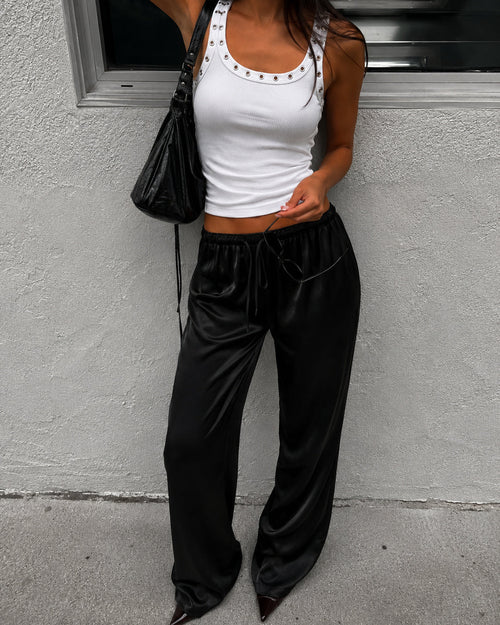
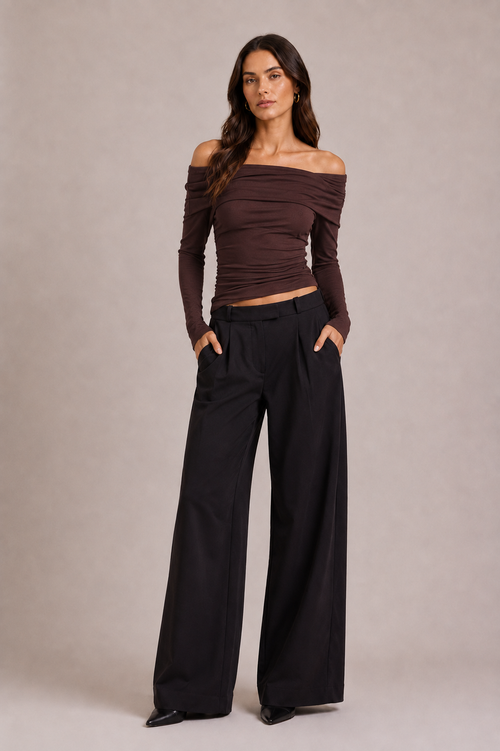
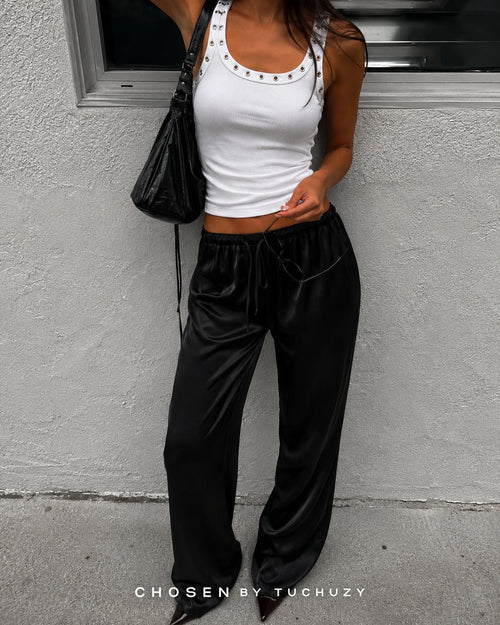
Separate by colour as you would normally. Whites and light colours like the Chosen by Tuchuzy Deconstructed Linen Pant in white are best washed together, away from darks that might bleed. Dark linen such as black pieces should also be kept apart from lighter garments on the first few washes. It is worth turning pieces inside out, which protects the surface and reduces abrasion.
The Wash Itself: Cool, Gentle and Not Overloaded
Use a cool or lukewarm cycle, and choose the gentle or delicate setting if your machine has one. Heat is the enemy of linen because it can encourage shrinking and fade colour, so stay on the lower end of whatever your label allows. A mild detergent suits it best. Avoid bleach, which can weaken the fibres and leave a yellow tinge on whites, and go easy on fabric softener, which can coat the fibres and reduce the natural absorbency that makes linen so comfortable.
Do not overload the machine. Linen needs room to move in the water, and a crowded drum leads to more creasing and more friction. Half a load is often plenty. If you only have one or two pieces to wash, you can wash them by hand in a basin of cool water with a little mild detergent, press the water out gently rather than wringing, and rinse until the water runs clear.
Drying: Air Is Your Friend
Hot tumble drying is the fastest way to shrink or stiffen linen, so for most pieces the best method is to dry them in the air. Take the garment out of the machine promptly, give it a firm shake to loosen the fibres, and hang it on a line or a hanger in the shade. A breezy Sydney afternoon will have a linen shirt dry in no time, and shade protects the colour, especially on darker pieces.
If you do use a dryer, keep it to a short, low-heat cycle and take the piece out while it is still slightly damp, then finish it on a hanger. Taking linen out damp is also the secret to easier ironing, because the fibres relax more readily when they are not bone dry.
Ironing, Steaming and Embracing the Crumple
Whether to iron linen is a matter of taste. Many people love it a little rumpled, and a relaxed piece like the Chosen by Tuchuzy Linen Resin Halter Mini Dress in white often looks best with a soft, lived-in finish. If you prefer it smoother, iron on a medium to hot setting while the fabric is slightly damp, or use a steamer, which is gentler and faster. Iron white and light linen on the right side, and iron darker pieces inside out to avoid a shine.
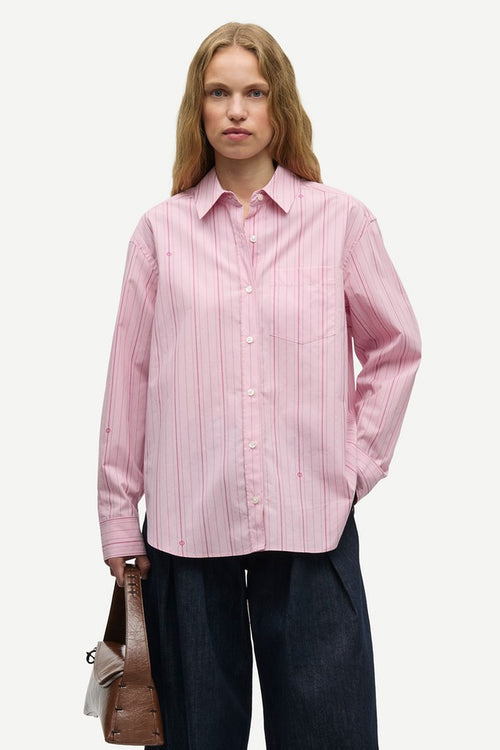
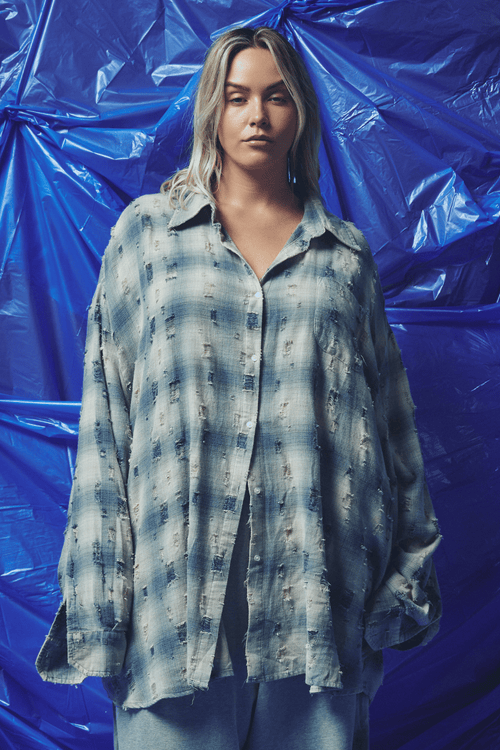
Wrinkles are also less of an issue when the piece is part of a relaxed outfit. A crumpled linen shirt over a swimsuit or with shorts looks exactly as it should. You can see the full range of natural-fibre pieces in our linen collection, and the shirts that pair with them in shirts.
Storing Linen So It Stays Fresh
Make sure linen is fully dry before you put it away, as damp fabric stored in a closed wardrobe can develop an odour. Hang structured pieces such as trousers and dresses, and fold softer pieces loosely rather than tightly, which reduces sharp creases. Give your wardrobe a little air, especially in the humid months. Storing pieces in breathable cotton bags rather than sealed plastic is kinder to the fibres over a long stretch.
If you have a coordinated outfit, wash and store the pieces together so they age at the same pace. That is particularly useful for sets, and our matching sets collection includes pieces designed to be worn together.
Handling Stains and Odours
Deal with stains early. Rinse in cool water as soon as you can, before the mark has a chance to set, and avoid rubbing hard, which can damage the fibres. A mild detergent applied to the spot and left for a short time before washing usually does the job. Test any stain treatment on a hidden area first, especially on coloured linen. For sunscreen or oil marks, a small amount of dishwashing liquid worked in gently before the wash can help.
For a quick freshen between wears, hang the piece outside in the shade for an hour. Linen resists holding onto odours well, so airing is often enough, and it saves a wash.
Your Questions Answered
Will linen shrink in the wash?
It can, particularly in hot water or a hot dryer. Washing cool and drying in the air minimises the risk, and the care label will tell you what suits a particular piece.
Can I put linen in the tumble dryer?
Occasionally on a low heat for a short time, but air drying is gentler. If you do use a dryer, take the piece out slightly damp.
Why is my new linen so stiff?
New linen is often stiffer, and it softens with wearing and washing. That is normal and part of why people love it.
Do I have to iron linen?
No. Many people prefer the relaxed crumple. If you want it smoother, iron it slightly damp or use a steamer.
Do you ship linen overseas?
Yes. Tuchuzy ships worldwide, including to the United States, so a linen wardrobe can reach you wherever the weather is warm.
If you would like help choosing the right piece, or just want to feel the fabric, visit us on Hall Street in Bondi Beach. A few good linen pieces, washed gently and worn often, will serve you for far longer than you might expect.