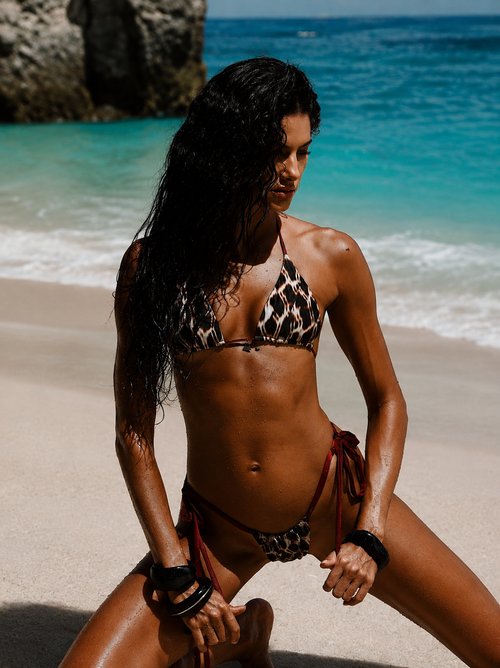

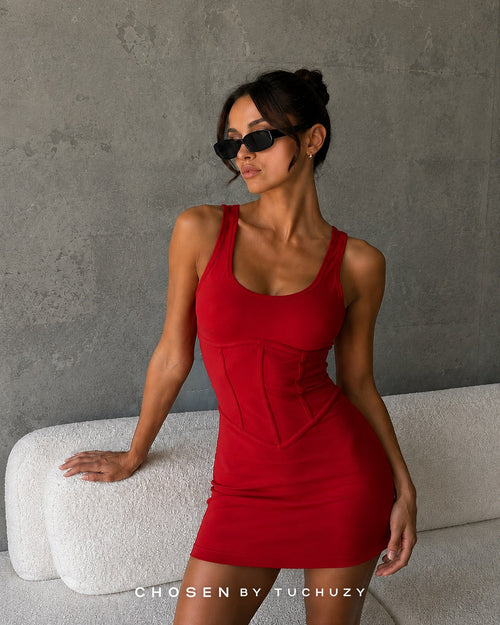
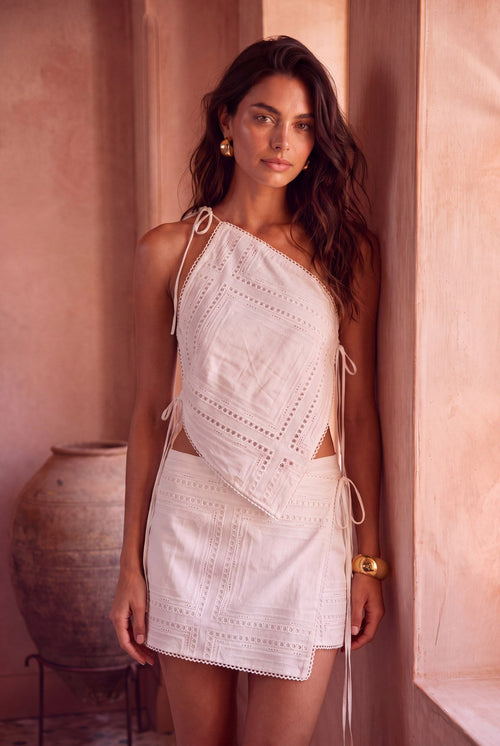

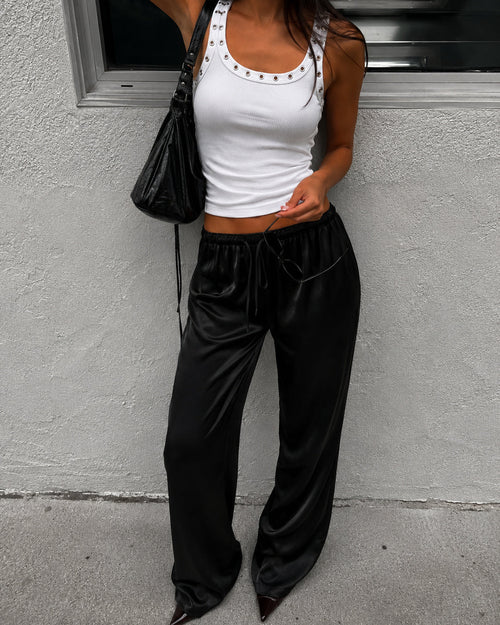
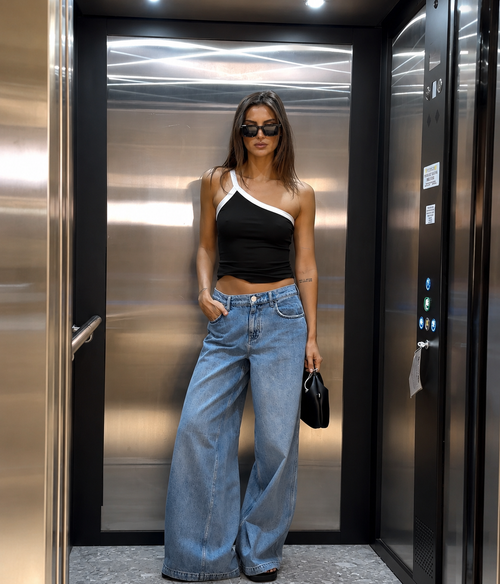
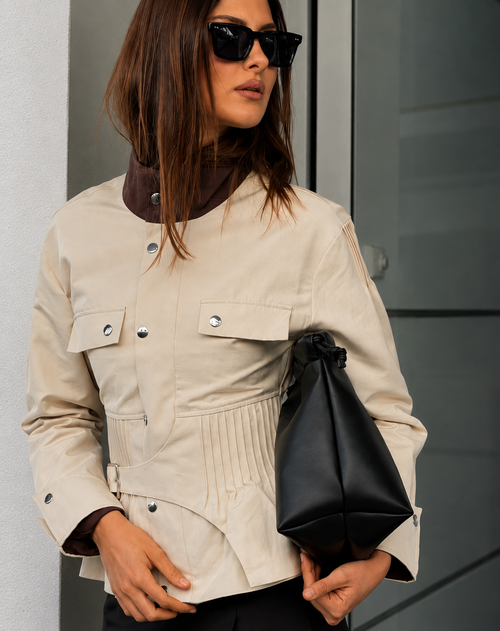
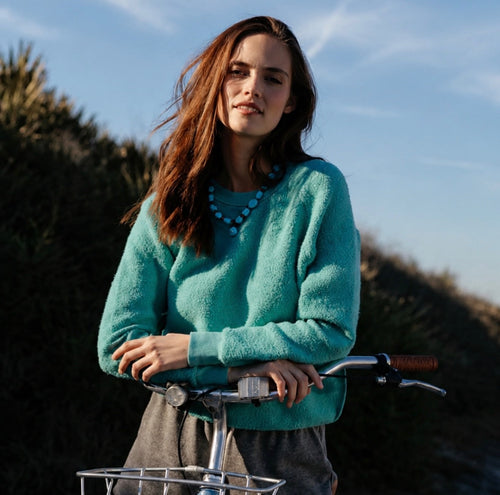
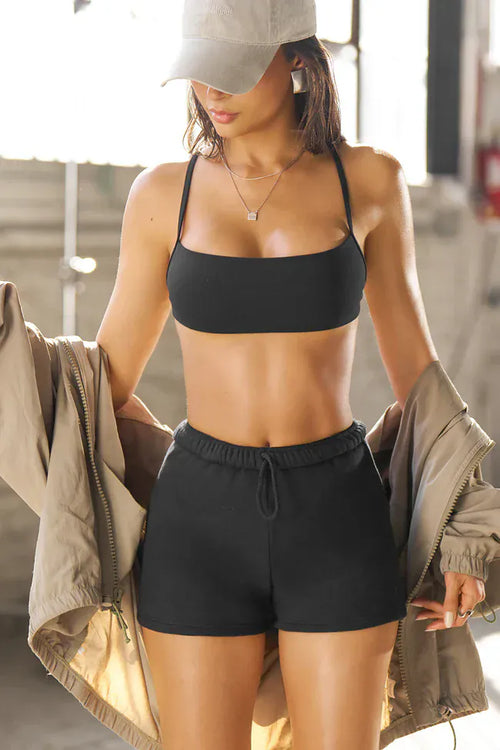

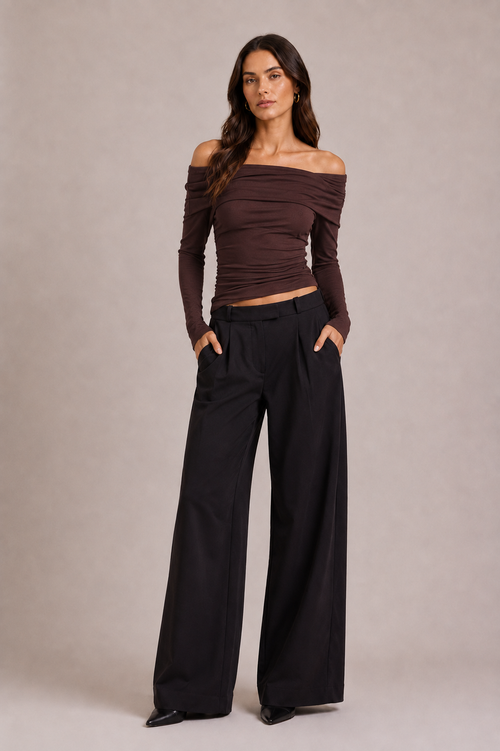
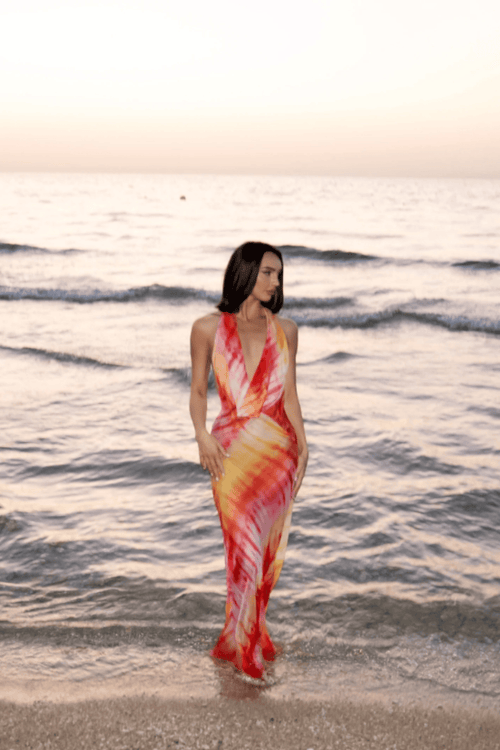
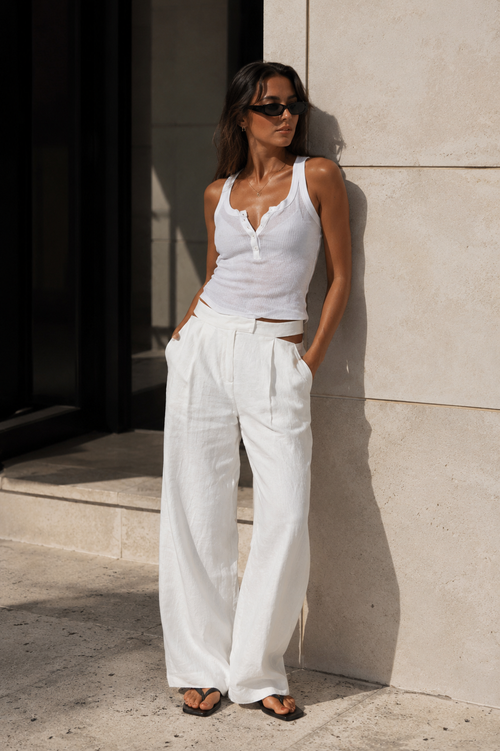
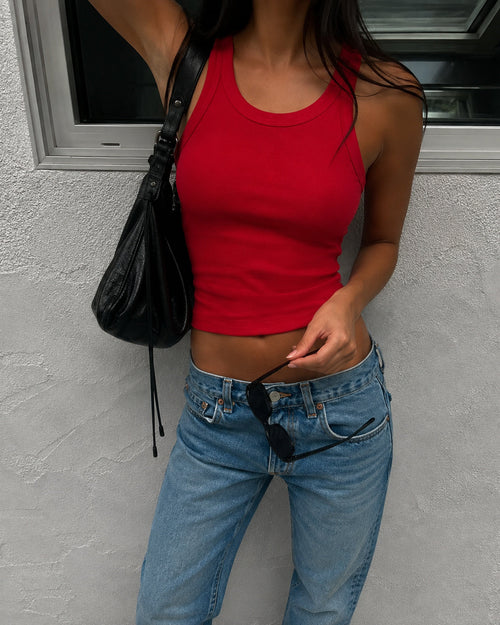


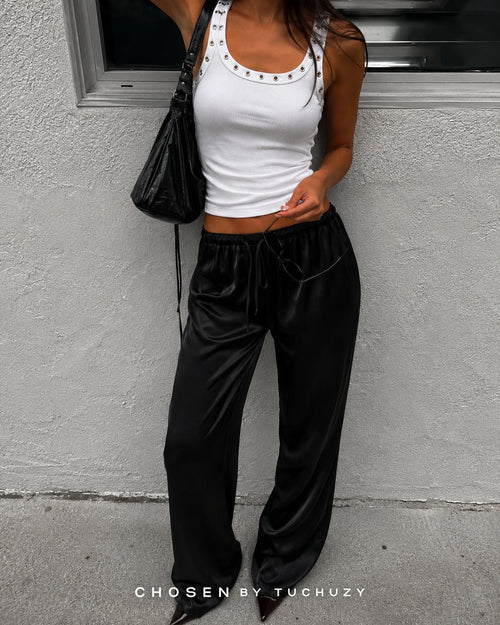
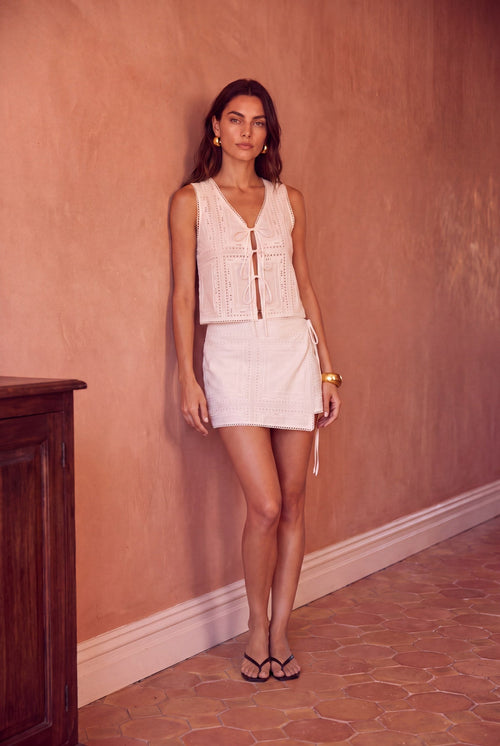
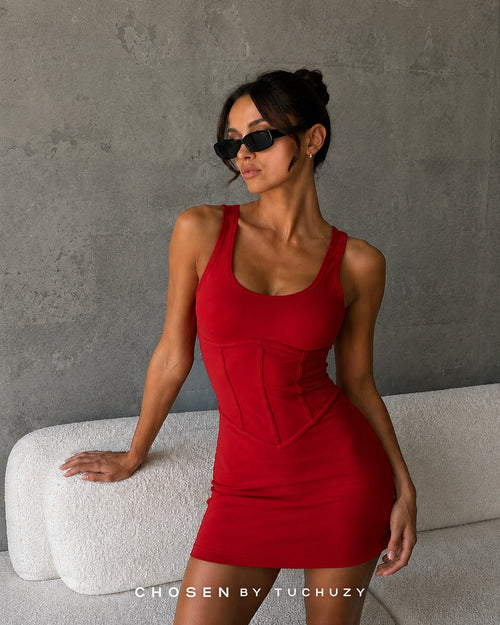
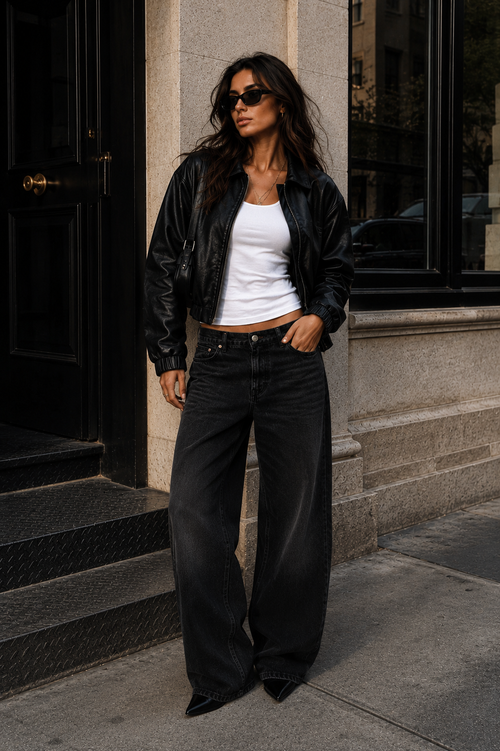
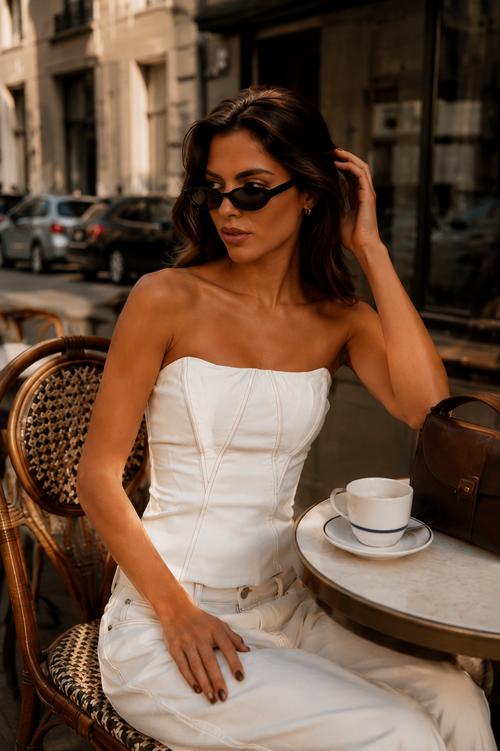
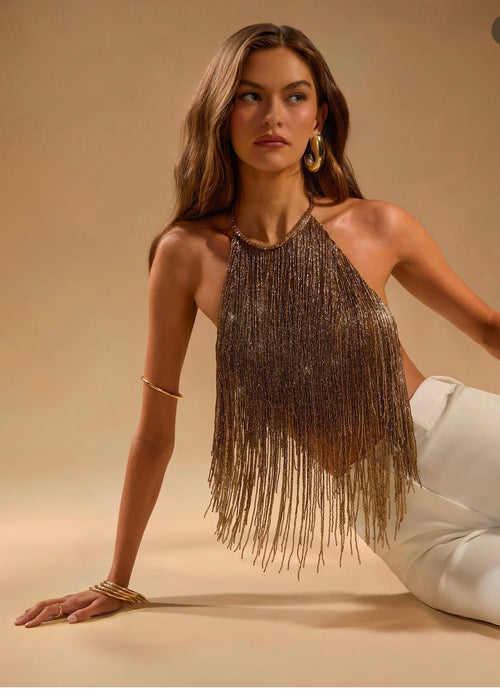
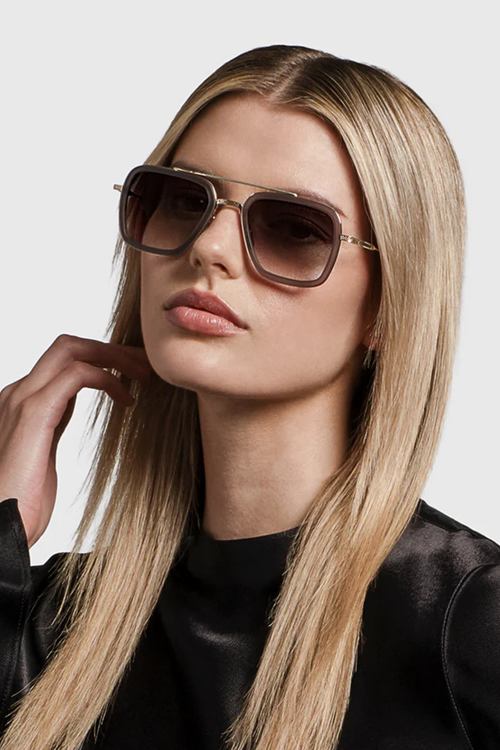








Slow fashion is not a trend, a label or a shopping list. It is a habit of buying fewer things, choosing them carefully, wearing them for years and looking after them properly. The idea is simple and, in a boutique that has been open since 1995, it is also familiar. Our best customers have always been the women who walk in knowing what they need, try it on, ask how it is made, and then come back five years later to tell us they still wear it. This guide is a plain-spoken look at how to build a slow fashion wardrobe in practice, without slogans, and without pretending that any one purchase is perfect.
What Slow Fashion Actually Means
Slow fashion means shifting the question from what is new to what will I still wear in three years. It favours quality construction, natural or long-lasting fabrics where they suit the garment, timeless cuts and pieces you can repair, restyle and wear in many ways. It does not mean buying nothing, and it does not mean every item has to carry a claim. A single linen shirt worn two hundred times is slower than five cheap shirts worn twice.
It is also worth being honest about what we can and cannot say. Tuchuzy is a stockist, not a certifier. Where a label publishes information about its materials, sourcing or processes, we encourage you to read it at the source. In this guide we stick to what is verifiably true: how garments are cut, what they are made from, and how to wear and care for them so they last.
Step One: Know What You Already Wear
The most sustainable garment is the one already in your wardrobe. Before you buy anything, pull out the ten things you reach for most and look for the pattern. Are they high-waisted or low? Neutral or colourful? Fitted or loose? That pattern is your real style, and every new purchase should fit into it. If a piece cannot be worn with at least three things you already own, it is probably not the right piece, however lovely it looks on the hanger.
Our capsule wardrobe edit walks through this idea in more detail, building a working week from a handful of pieces. The same logic applies to a season or a suitcase.
Step Two: Choose Fabrics That Earn Their Place
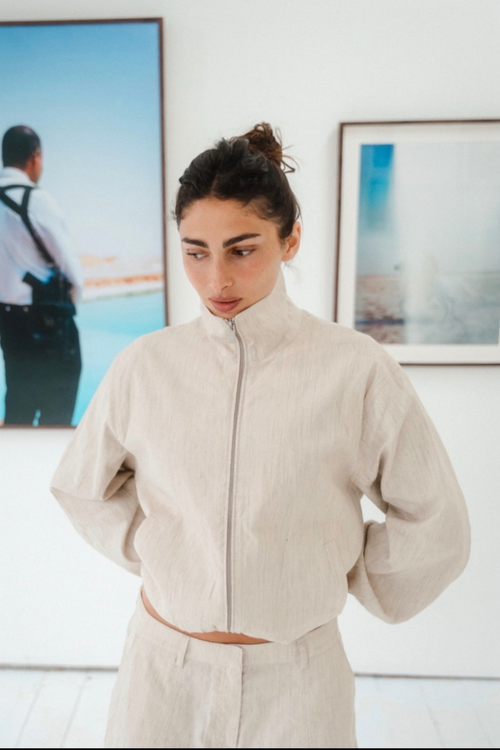
Fabric is where slow fashion becomes tangible. Linen is one of the oldest textiles in the world, it softens with every wash and it handles heat well, which makes it the natural choice for a Bondi summer. Our linen collection is full of pieces that suit that approach. The Chosen by Tuchuzy Linen Raw Low Rise Pants are an easy example: a relaxed, breathable trouser that works with a tank in January and a knit in June. The Chosen by Tuchuzy Tailored Micro Linen Shorts do the same job for warmer days, and both live comfortably alongside the Chosen by Tuchuzy pants for a wardrobe that mixes easily.
Cotton, wool and denim are the other workhorses. A well-made cotton tee, a tightly knitted wool jumper or a pair of sturdy jeans can last for a decade when you look after them. The Perfect White Tee collection is built around exactly this idea: elevated basics that you can wear on repeat. Buy fabric you would be happy to touch, hold and wash a hundred times, and be sceptical of anything that already feels thin or stiff in the shop.
Step Three: Buy Denim That Lasts, or Already Has a Past
Denim is a good test case for slow fashion because it is both everywhere and long-lived. A good pair of jeans improves with wear and can be mended, hemmed and passed on. Re/Done, which we stock in the Re/Done collection, is known for taking vintage denim and reworking it into new silhouettes, which gives the garment a second life from the start. Our jeans and wider denim collections cover other options, including straight-leg and wide-leg cuts from labels we trust.
If you are curious about how denim is made and what to look for, read our plain-spoken guide to sustainable denim, which covers organic cotton and the Seventy + Mochi range. For a pair that works across seasons, the Chosen by Tuchuzy Low Rise Jean in White is a clean, versatile choice that pairs with almost everything in the capsule.
Step Four: Build Around Pieces With Range
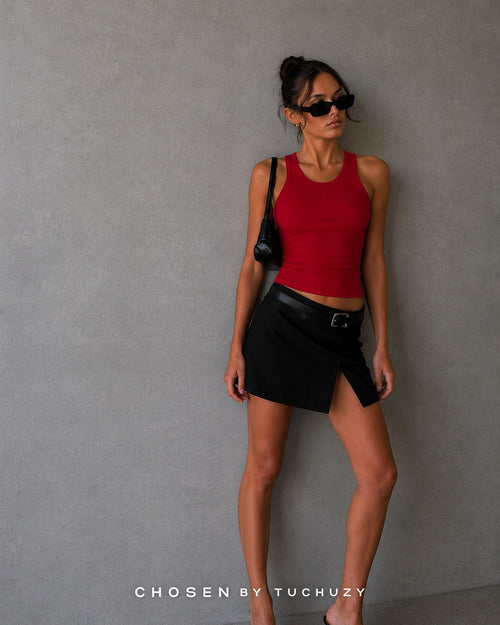
A slow wardrobe is made of pieces that do many jobs. A white shirt can be a layer over a swimsuit, a work shirt, a dinner top with the sleeves rolled and a beach cover. The Chosen by Tuchuzy Embroidery Shirt in White has that kind of range, with a detail that lifts it above a plain basic without limiting how you wear it. Tailored shorts, like the Chosen by Tuchuzy Tailored Bermuda Short in Black, take you from morning errands to a long lunch, and sit comfortably in the women's shorts collection with other pieces that cross seasons.
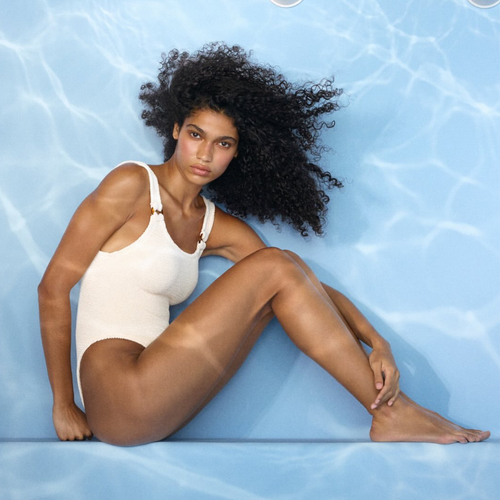
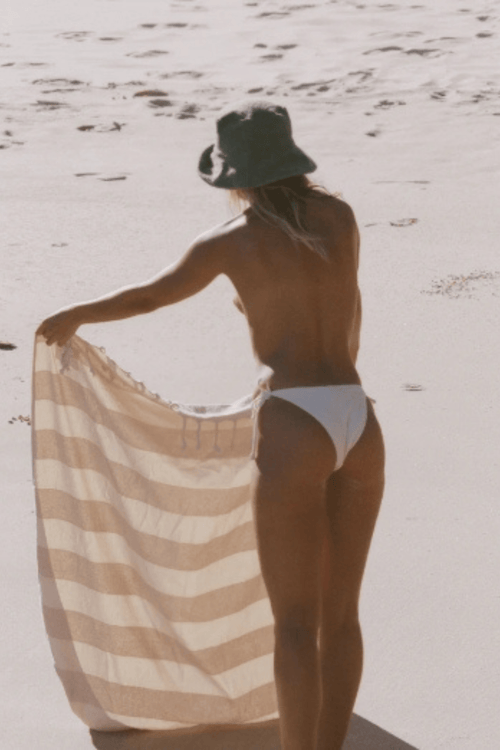
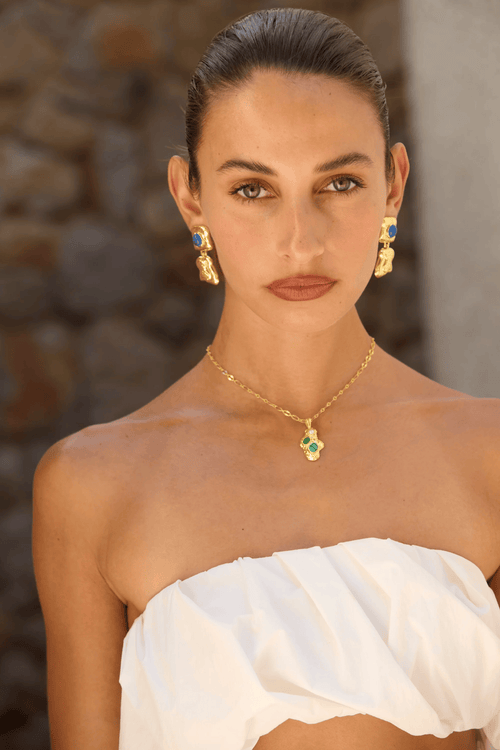
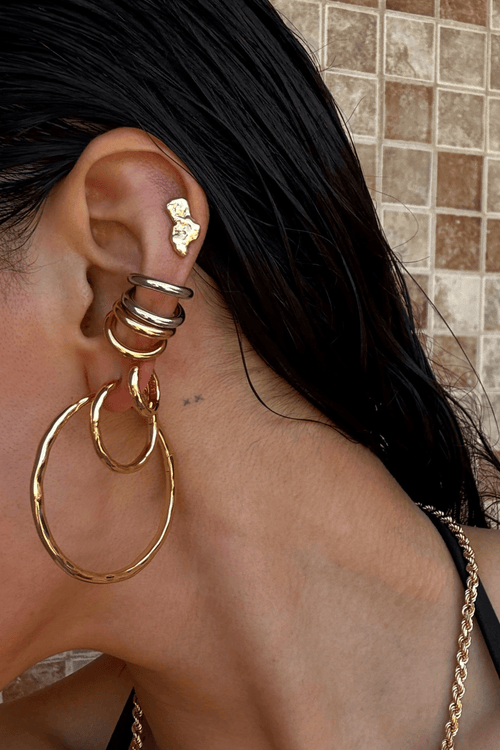
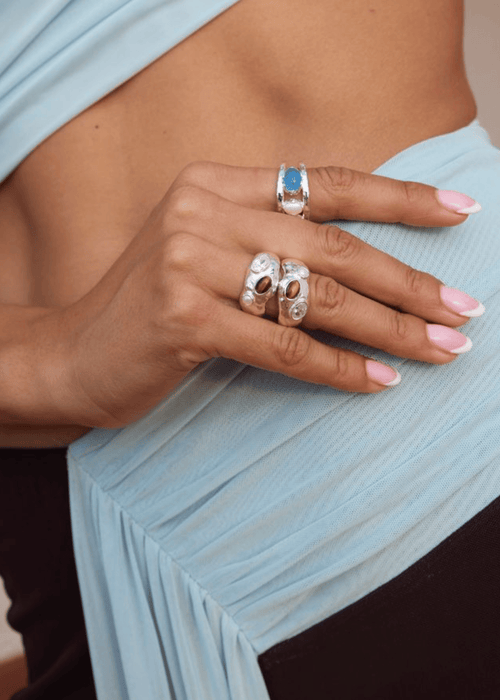
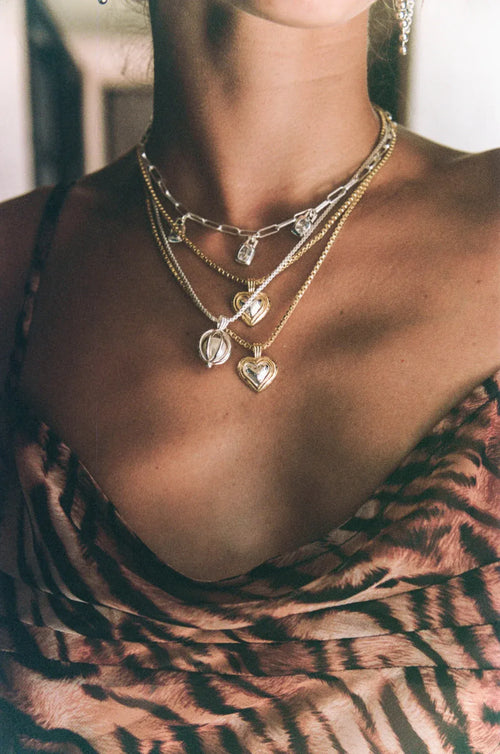
Two other categories deserve a mention. Swimwear is often bought and replaced quickly, and the best way to slow that down is to choose a cut you love and rinse and dry it carefully. The swimwear collection covers the range, and Fae Swim is a good example of a label that builds mix-and-match pieces you can keep for several summers. Jewellery is the other: a few pieces from the jewellery collection, bought carefully and worn daily, finish more outfits than a drawer of trend pieces ever will.
Step Five: Look After What You Own
Care is where slow fashion is won or lost. Wash less often and at a lower temperature, turn garments inside out, use a gentle detergent and dry flat or on a line out of direct sun. Mend a loose button or a small hole before it grows. Store knits folded rather than hung, and give clothes a day to rest between wears.
Linen deserves its own instructions, and our guide on how to wash linen covers the details. The short version is cool water, a gentle cycle, no tumble dryer and a light steam rather than a hot iron. Treat a good garment well and it will repay you for years.
Step Six: Shop Slowly, and Shop Local if You Can
Slow shopping is as important as slow fashion. Wait a week before buying anything that is not a clear need. Try things on in a real room, move around in them, and check the seams, lining and weight. Ask questions. In the boutique we are happy to tell you what we know about a label and what we do not. If you are in Sydney, visit us in Bondi Beach and take your time. If you are elsewhere, Tuchuzy ships worldwide, including to the United States, so you can order with the same care and the same detail.
Your Slow Fashion Questions Answered
Is slow fashion more expensive? Individual pieces can cost more up front, but the cost per wear is often lower because you wear them longer and buy fewer replacements. The real saving is in not buying things you do not use.
How do I know if a garment is well made? Look at the seams, the stitching, the lining and the weight of the fabric. Hold it up to the light; a very thin fabric will probably not last. Check that patterns line up at the seams and that buttons are sewn firmly.
Is linen always the best choice? It is excellent for warm weather, but no fabric is right for every garment. Choose the fabric that suits the way you will wear the piece and the way you will care for it.
Can I be a slow fashion shopper and still enjoy trends? Yes. Pick the trend elements that suit your wardrobe, such as a colour or an accessory, and leave the rest.
Where should I start? Start with the ten pieces you wear most, work out the gaps, and fill them one at a time with the best version you can find. The Chosen by Tuchuzy label is built around that kind of wardrobe foundation.
A wardrobe that lasts is built one decision at a time. Choose carefully, wear often and look after what you own, and the rest tends to take care of itself.