









































Linen is one of the oldest fabrics in the world, and one of the most rewarding to wear. It is made from the fibres of the flax plant, it breathes beautifully in the heat, and it softens with every wash. But it also has a reputation for being fussy, and that reputation stops a lot of people from buying it. The truth is that learning how to wash linen is simple, and a little care means the pieces last for years. This guide covers the practical basics: how to wash, dry and iron linen, how to store it, and how to make the most of natural fabric in a wardrobe that is built to last. You can shop linen and natural-fibre styles in our Chosen by Tuchuzy dresses and Chosen by Tuchuzy pants edits, and Tuchuzy ships worldwide, including to the United States.
Start With the Care Label
Every garment is different, and the care label is the most reliable guide. Linen is often blended with other fibres such as cotton or viscose, and blends can have different requirements from pure linen. Before you wash anything, check the label for the recommended temperature and drying method, and follow it. The tips below are general principles that suit most linen, but the label always has the final word.
How to Wash Linen
For most linen garments, the gentle approach works best.
Use a cool or lukewarm wash. Cooler water is kinder to the fibres and helps protect colour. Hot water can cause shrinking and fading, so keep it mild unless the label says otherwise.
Choose a gentle detergent. A mild, liquid detergent is usually the best option. Harsh formulas and bleach can weaken the fibres and dull the colour, particularly on natural shades like butter, sand and white.
Use a gentle cycle, and do not overload the machine. Linen needs room to move in the water. Crowding the drum can leave detergent trapped in the fabric and creates deeper creases. A delicate or gentle cycle with a lower spin speed reduces wrinkling.
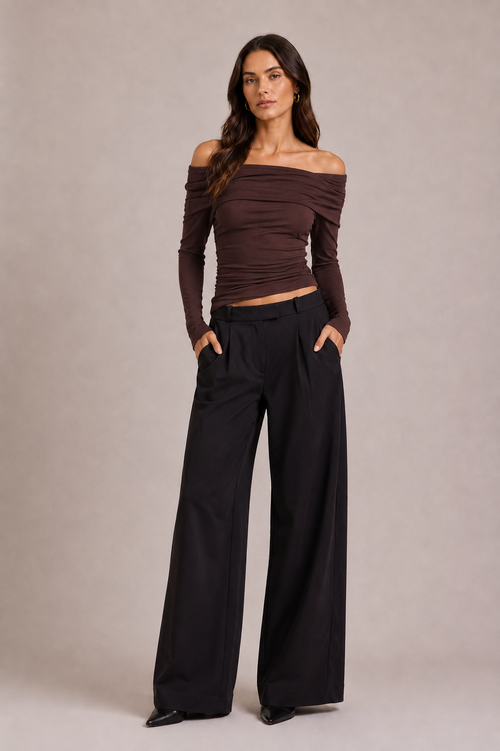
Wash similar colours together. White and pale linen can pick up colour from darker items, so keep them separate. Our white linen styles, such as the Chosen by Tuchuzy Deconstructed Linen Pant in White, are best washed with other light items.
Hand washing is an option. For delicate or structured pieces, a gentle hand wash in cool water is a safe alternative. Press the water through the fabric rather than wringing it.
How to Dry Linen
Drying is where most linen mistakes happen. High heat can shrink the fibres and leave the fabric stiff, so air drying is generally the safest choice.
Take the garment out of the machine as soon as the cycle ends and give it a gentle shake to release the creases. Hang it on a padded hanger or lay it flat, away from direct sun, which can fade natural colours. Linen dries quickly, especially in warm weather, so you will rarely wait long.
If you do use a dryer, choose a low heat setting and remove the garment while it is still slightly damp. Check the label first, as some pieces should never go in a dryer at all.
How to Iron Linen
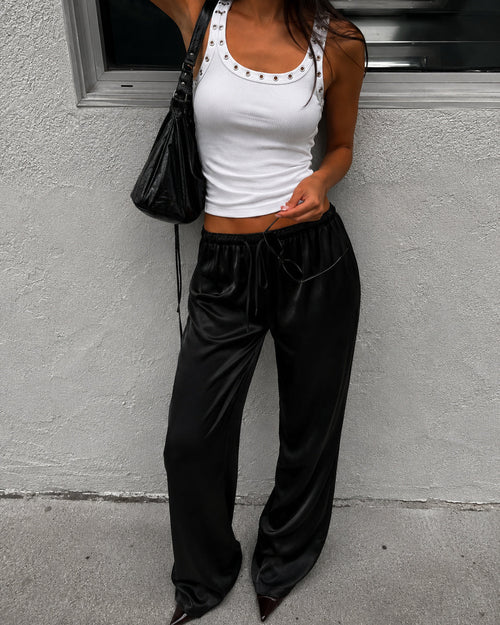
Linen creases, and that is part of its charm. Many people embrace a relaxed, lived-in look, especially with garments designed to be slightly rumpled, like the Chosen by Tuchuzy Linen Raw Low Rise Pants. If you prefer a sharper finish, ironing is easy.
Iron while the fabric is still slightly damp, using a medium to high setting suited to the fibre and following the label. Press from the reverse side to protect the surface, and use steam if you have it. A garment steamer is a gentle alternative that smooths creases without direct contact. Remember to check the care label before choosing a temperature, particularly for blends.
Dealing With Stains and Marks
Act quickly when something spills. Blot rather than rub, rinse the area with cool water, and treat it gently before the garment goes in the wash. Avoid hot water on an unknown stain, as heat can set it into the fibre. Pale and white linen shows marks more easily, so it pays to deal with spills the same day. If a mark does not shift after a gentle wash, check the care label and consider professional cleaning rather than scrubbing, which can roughen the surface of the fabric.
Storing Linen So It Lasts
Good storage keeps linen looking its best between wears. Hang dresses and structured pieces on wide hangers so the shoulders keep their shape, and fold knit-like or heavier linen items rather than hanging them. Make sure everything is completely dry before it goes into the wardrobe, as damp fabric can develop a musty smell.
Give garments some breathing room. Linen is a natural fibre that likes air, so avoid packing a wardrobe so tight that pieces are squashed together. If you are storing linen for a season, a breathable cotton bag is better than plastic.
Why Natural Fibres Are Worth the Effort
Natural fabrics are not automatically better in every way, and it is worth being honest about that. The environmental impact of any garment depends on how it is grown, made, transported and cared for. What we can say is that clothes you love and look after tend to stay in rotation longer, and wearing something for many seasons is one of the simplest ways to get more from what you own. Our guide to cost per wear explores that idea in more detail, and our explainer on what the organic cotton label actually means is a good companion read.
Linen also suits the way many of us live. It is breathable in warm weather, easy to layer and works across seasons. A linen dress such as the Chosen by Tuchuzy Asym Twist Linen Mini Dress in Butter can be worn with sandals in summer and a jacket and boots when the weather turns. See more in the mini dresses collection.
Caring for the Rest of the Home
The same slower approach extends beyond the wardrobe. Many of us treat laundry as a chore to rush through, but a little attention turns it into a ritual. A fresh set of linen, a candle on the shelf and a clean, quiet room make a Sunday reset feel genuinely restful. Our designer candles, bath and body and homeware edits are designed for exactly that kind of slower rhythm, and our guide to natural rituals at home has more ideas.
If you are in Bondi, visit us on Hall Street and we are happy to talk through fabrics and care in person.
Your Questions Answered
Can I machine wash linen? Most linen can be machine washed on a gentle cycle in cool water, but always check the care label first, as some garments need dry cleaning or hand washing.
Will linen shrink? It can, particularly in hot water or a hot dryer. Washing cool and air drying reduces the risk significantly.
How do I get creases out of linen? Iron while slightly damp, or use a steamer. Hanging a garment in a steamy bathroom can also help loosen light creases.
Does linen get softer over time? Yes. Linen tends to soften with repeated washing and wear, which is one reason many people love it.
Where can I shop linen styles? Browse our Chosen by Tuchuzy pants and dresses, with worldwide shipping including to the United States.