





Organic cotton clothing has become one of the most used phrases in fashion and one of the least examined. It appears on swing tags, in product descriptions and across brand manifestos, usually without anyone explaining what it actually means, what it does not mean, and whether it should change what you buy.
We stock a lot of cotton at Tuchuzy. Tees, tanks, sweats, the pieces that get worn more than anything else in a wardrobe. So it is worth being precise about this, including about the limits of what any boutique can honestly tell you.
What Organic Cotton Actually Is
Organic cotton is cotton grown without synthetic pesticides and synthetic fertilisers, using seed that has not been genetically modified. That is the substance of it. The farming practices that go with it typically include crop rotation and soil management rather than chemical inputs, because without the chemicals the soil has to do more of the work.
Crucially, organic is an agricultural claim, not a garment claim. It describes how the fibre was grown in the field. It does not, by itself, tell you anything about how the cloth was dyed, how the garment was cut and sewn, who made it, or what happened to the water used along the way. Those are separate questions with separate answers, and conflating them is where most greenwashing begins.
Certification, And Why It Matters More Than The Word
Because organic is a claim about a process that happened long before the garment existed, it can only be verified by paperwork that follows the fibre through the supply chain. That is what certification schemes exist to do. The Global Organic Textile Standard, usually shortened to GOTS, is the most widely recognised of these, and it certifies both the organic fibre content and a set of environmental and social criteria through processing. The Organic Content Standard is a narrower scheme that verifies organic fibre content without making the same processing claims.
The practical takeaway for a shopper is simple. A certification mark on a garment is a verifiable claim. The word organic printed on a swing tag with nothing behind it is a marketing claim. They are not the same thing, and the difference is worth knowing before you pay for it.
We will not tell you that everything on our rails is certified organic, because that would not be true. What we can tell you is how we think about fibre when we are choosing what to stock, which is the subject of our longer piece on what we look for before we stock a label.
Why Cotton Feels The Way It Does
Set the certification question aside for a moment, because there is a separate reason cotton dominates a well-worn wardrobe, and it has nothing to do with ethics.
Cotton is a natural cellulose fibre. It absorbs moisture rather than repelling it, which is why a cotton tee feels cool against skin on a warm day and a polyester one does not. It takes dye deeply, which is why a good black cotton tee stays black instead of going grey-green. And it softens with washing rather than degrading, which is the quality that separates a piece you keep for five years from one you replace every summer.
Fibre length and yarn quality do most of the work here. Longer staple cotton produces smoother, stronger yarn, which produces a fabric that pills less and holds its shape longer. This is the difference you can feel in the hand between two white tees that look identical on a screen, and it is the main thing we assess when a new cotton piece comes into the shop.
The Cotton Pieces That Earn Their Place
The honest test of any cotton garment is how many times you reach for it. On that measure, a short list does almost all the work.
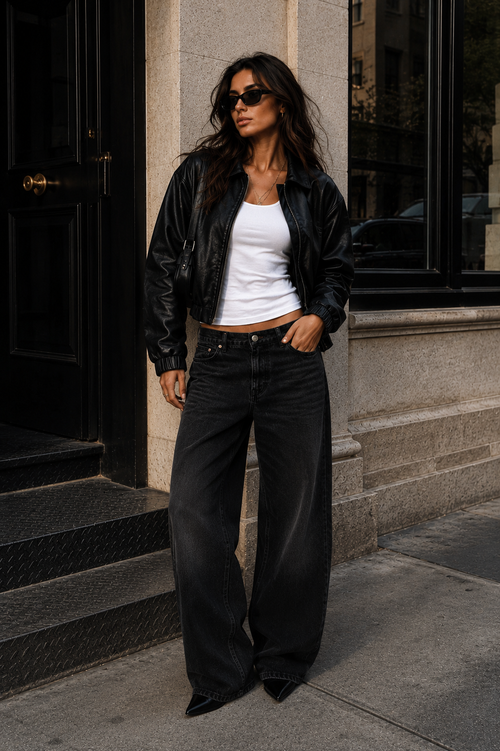
The plain crew tee is first. The Samsoe Samsoe Sadisas T-Shirt in Bright White and its Jet Black counterpart are the cleanest current examples, cut with enough body that they hang rather than cling. The Perfect White Tee Amelia Short Sleeve Luxe Rib in Oatmeal Ash comes at the same brief through a fine rib instead. Both sit in the womens t shirts edit, and the Perfect White Tee and Samsoe Samsoe collections hold the rest of each label.
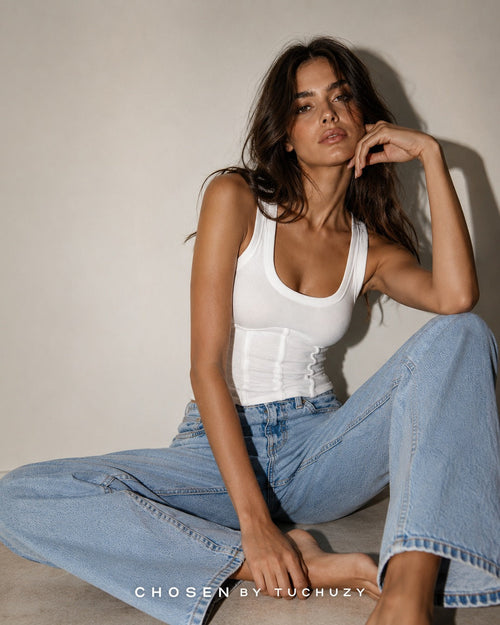
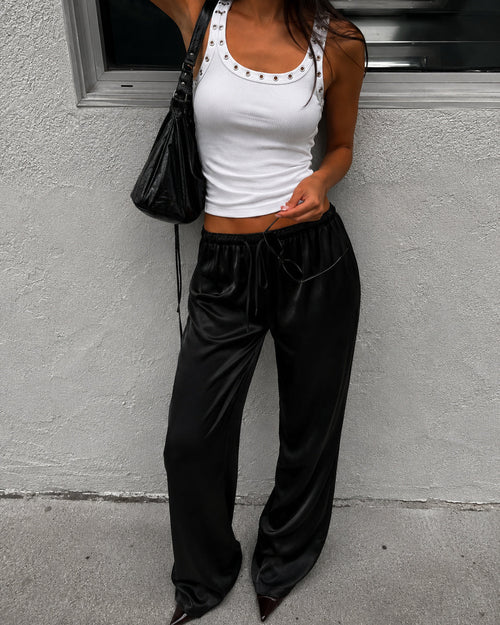
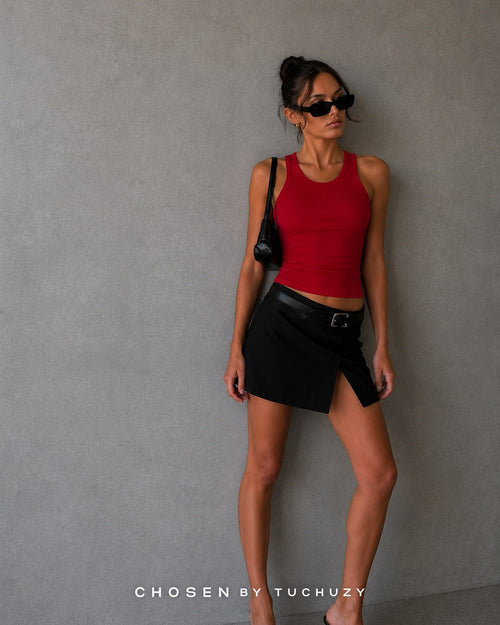
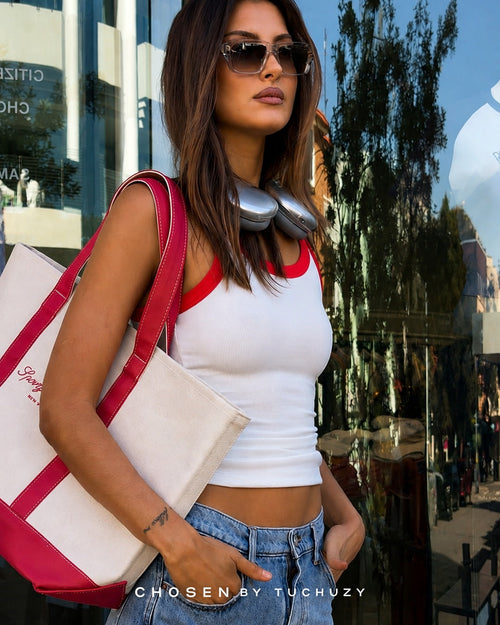
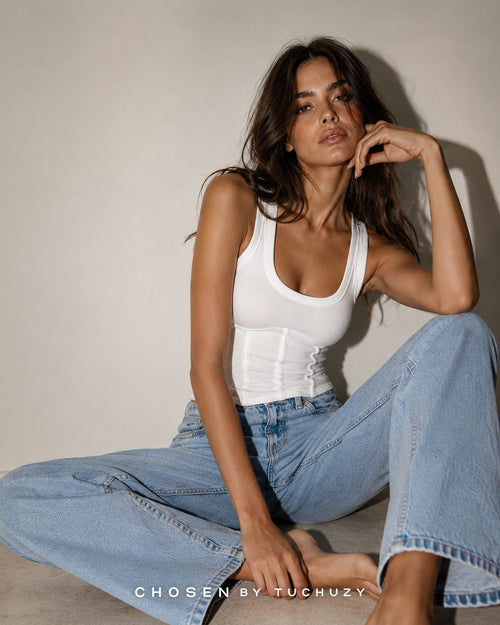
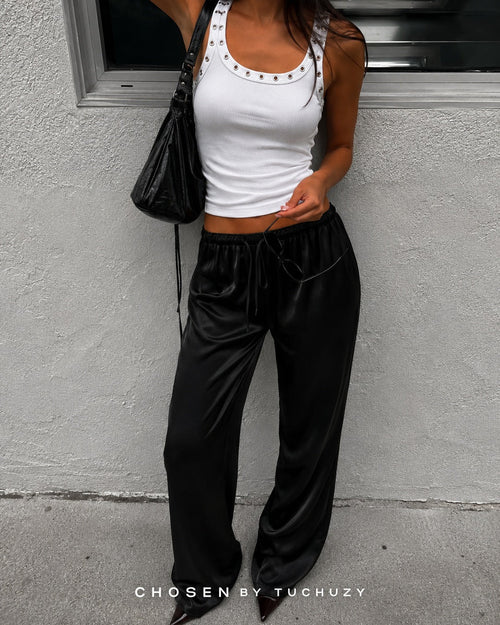
Then the tank, which in this climate is worn more than the tee. The Anine Bing Cole Tank in White and the Chosen By Tuchuzy Scoop Tank in Olive and White are the two we sell most consistently, for the same reason: the neckline sits where it should and the fabric does not go transparent after a season. The full tops and tanks edit is the durable place to browse the category, because individual colours sell through long before the shape does.
Our own Chosen Core range exists precisely for this part of the wardrobe: the unglamorous pieces underneath everything else, made properly, in a narrow palette, so they keep working together for years.
Care Is The Part Nobody Wants To Hear
Here is the uncomfortable truth about conscious dressing. The single largest thing an individual can do to reduce the impact of a cotton garment is not to buy a different one. It is to wear the one they already own for longer.
Cotton responds well to being treated gently. Wash cold rather than warm, because heat is what shrinks the fibre and fades the dye. Wash less often than habit suggests; most tees worn for a few hours need airing rather than laundering. Dry flat or on a line out of direct sun, because a tumble dryer is the fastest way to age a cotton garment, and direct sun will pull colour out of a black tee faster than any wash cycle. Turn printed pieces inside out.
None of this is complicated, and all of it extends the life of a garment by years rather than months. Our full guide to making good pieces last goes through this fabric by fabric.
Where Organic Cotton Sits In A Considered Wardrobe
Our position, after thirty years of buying, is unromantic. Certified organic cotton is a genuine improvement on conventional cotton at the farming stage, and it is worth choosing when it is verified. It is not a licence to buy more, and it is not the only thing worth asking about a garment.
The questions that matter alongside it are the ones we ask ourselves. Is the cut good enough that this will still be worn in three years? Is the fabric heavy enough to survive the washing that implies? Does the label have a history of making this piece well, season after season, rather than making it once for a campaign? A beautifully made conventional cotton tee worn two hundred times will almost always be the better outcome than a certified one worn twelve.
That thinking runs through the wider designer clothing edit and sits alongside our approach to other natural fibres, which we set out in conscious dressing and natural fabrics. The linen and loungewear edits are where the same principles show up in different weights.
We have been choosing fabric this way in Bondi Beach since 1995. If you want to feel the difference between two white tees rather than read about it, come and visit us in store. Tuchuzy also ships worldwide, including across Australia and to the United States.
Your Questions, Answered
Is organic cotton clothing actually better for the environment?
At the farming stage, growing cotton without synthetic pesticides and fertilisers is a meaningful difference. But organic describes how the fibre was grown, not how the garment was dyed, made or shipped, so it is one input among several rather than a complete answer.
How can I tell if a piece is genuinely organic?
Look for a recognised certification such as GOTS or the Organic Content Standard rather than the word alone. Certification means the claim has been verified through the supply chain; an unsupported swing tag has not.
Does organic cotton feel different to wear?
Not inherently. What you feel in the hand comes from fibre length, yarn quality and how the fabric is knitted or woven. A long-staple conventional cotton can feel better than a coarse organic one, which is why we buy on the cloth rather than the label.
How do I stop a black cotton tee fading?
Wash it cold, wash it inside out, wash it less often, and keep it out of the dryer and out of direct sun. Heat and UV do far more damage than wearing does.
What is the most sustainable thing I can do when buying cotton?
Buy fewer, better pieces and keep them longer. Nothing else comes close. Start with the tops and tanks edit and buy the one you will wear weekly rather than three you might.