



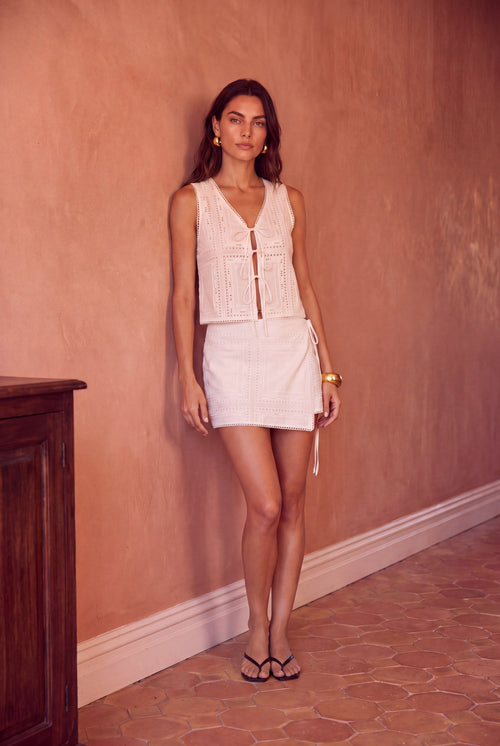


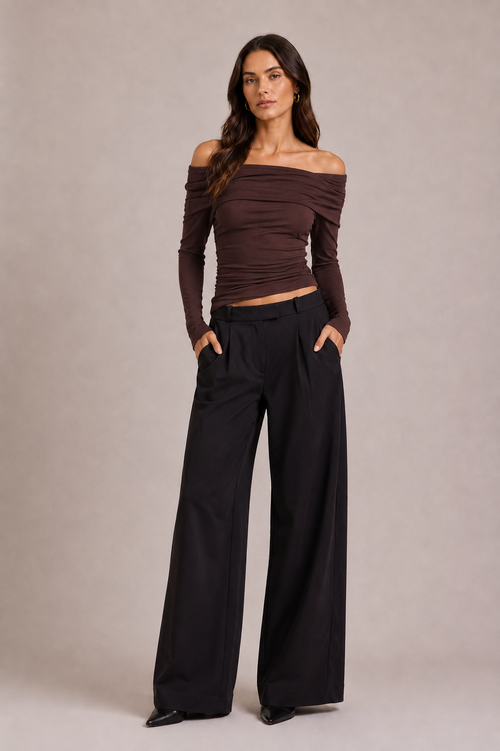

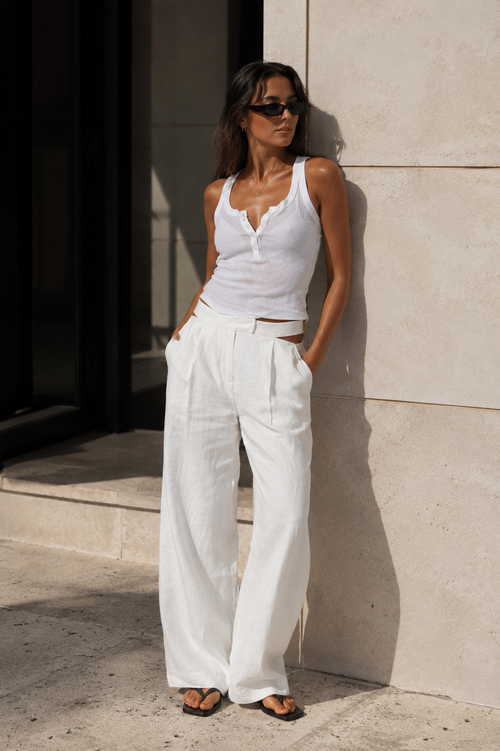



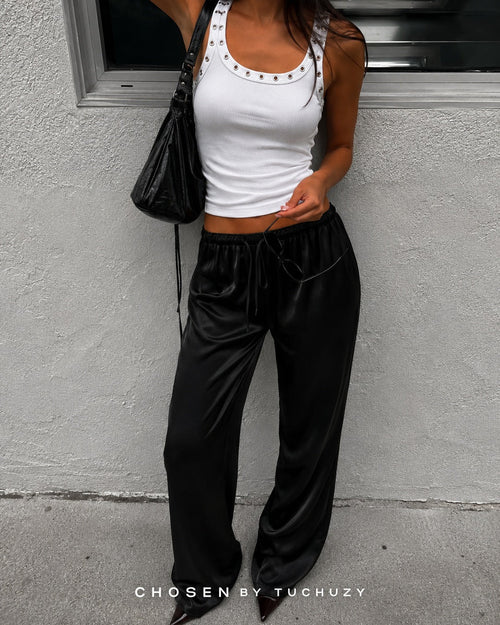
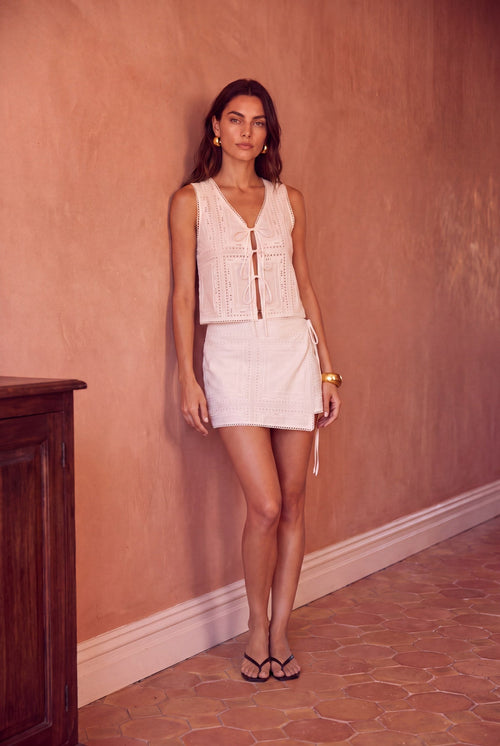
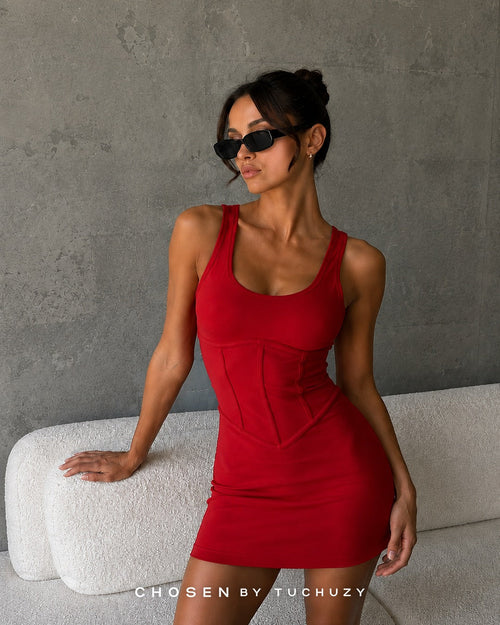
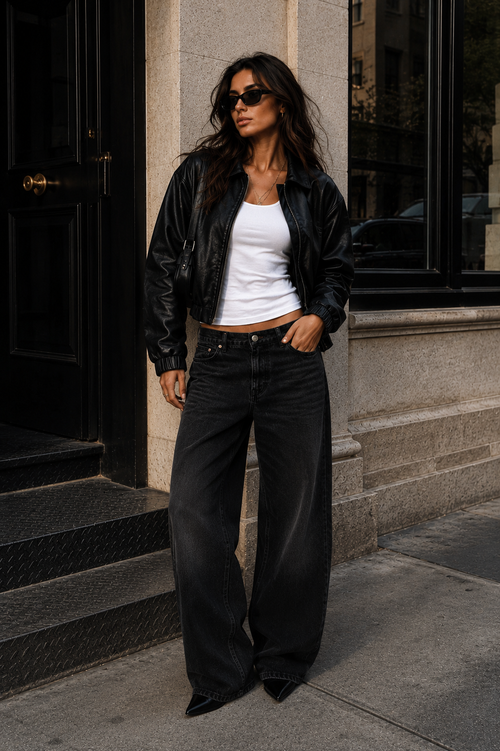
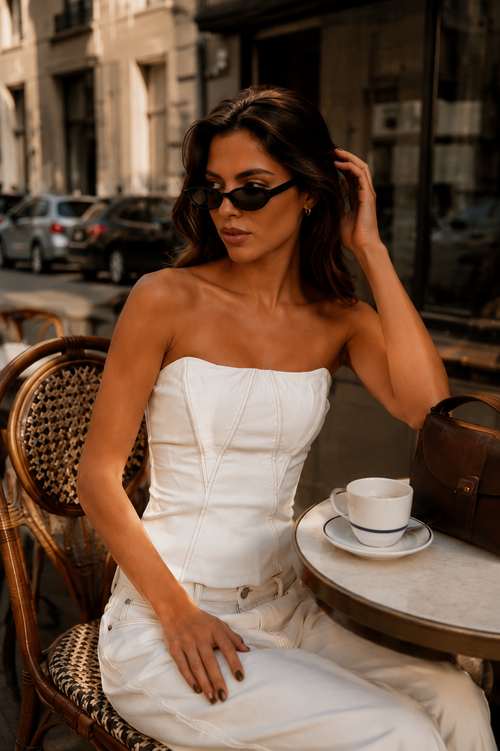








There is a question worth asking of every piece before it comes home, and it is not how much it costs. It is how many times you will wear it. Cost per wear is the simplest idea in a considered wardrobe: take what you paid for something and divide it by the number of times it actually leaves the house on your body. A piece worn twice is expensive at any price. A piece worn two hundred times is one of the cheapest things you own, whatever the tag said. After thirty years of watching what our customers come back for, this is the arithmetic that has quietly shaped the Tuchuzy edit, and it is the most honest way we know to think about buying less and wearing more. It sits alongside our guide to the sustainable fashion brands we choose to stock and our guide to caring for your clothes, because the three ideas depend on each other.
Why Cost Per Wear Changes How You Shop
Most of us judge a purchase at the moment of buying, which is exactly the wrong moment. Cost per wear moves the judgement to the wardrobe. It asks what a piece will do over a year, or five, rather than how it feels in the fitting room. The effect is a quiet reordering of priorities. The going-out top bought for one specific dinner suddenly looks less compelling than the tank that will be worn under everything until it wears out. The sale piece that almost fits stops being a bargain. And the well-made jean with the higher price starts to look like what it is: the most economical thing in the room, provided the cut is right for your body and the wash goes with your life.
Cost per wear is also, without making a fuss about it, the most direct route to a lower-impact wardrobe. Fewer pieces bought, each worn far more often, is the single behaviour that reduces the footprint of getting dressed more than any fabric choice can. We are careful about environmental claims at Tuchuzy, and we would rather not make one we cannot stand behind. But this one is simple maths: the garment you already own and keep wearing is the one with the smallest footprint.
The Pieces That Win on Cost Per Wear
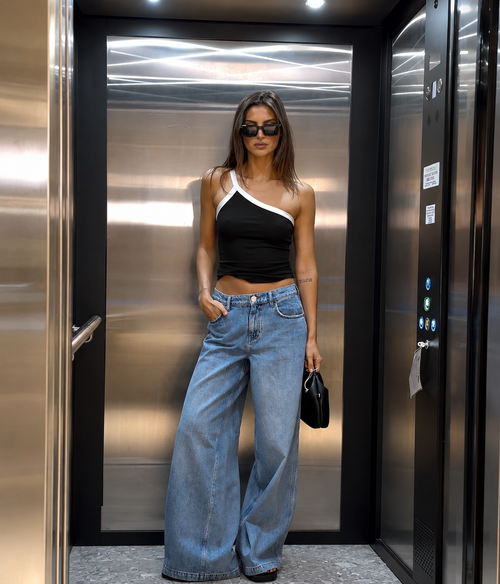
Some categories are built for this equation. Denim comes first. A good pair of jeans in a wash you reach for without thinking can be worn weekly for years, and the labels in our jeans edit are chosen with that longevity in mind. AGOLDE and Anine Bing build cuts that hold their shape wear after wear; RE/DONE reworks vintage denim into new pairs, which means the fabric has already proven it can last; and Seventy + Mochi brings a relaxed, vintage-leaning fit that suits the way most of us actually dress on a weekend. The wider denim collection, including jackets, is where cost per wear is almost always in your favour.
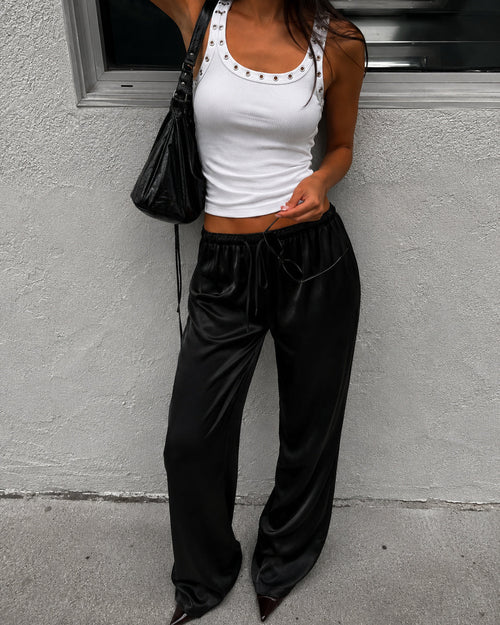
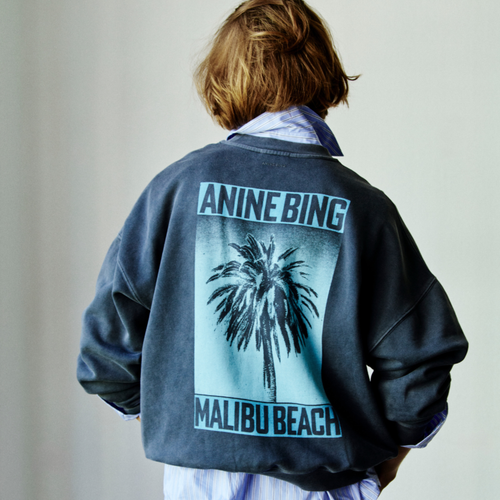
The tee and the tank come next. A cotton tee with enough weight to hold its neckline, from the Perfect White Tee range in our t-shirts edit, or a ribbed tank from the in-house Chosen by Tuchuzy tanks range, will be worn more often than anything else you own. Then knitwear and the sweatshirt: a heavyweight crew from the Anine Bing sweatshirts edit or a fine cardigan from knitwear is the layer that goes over everything from a bikini to a slip dress, across two hemispheres of weather. Finally the blazer and the tailored pant, from the blazers and pants edits, which move a single outfit from a working lunch to dinner and back again for years.
Where the Equation Gets Harder
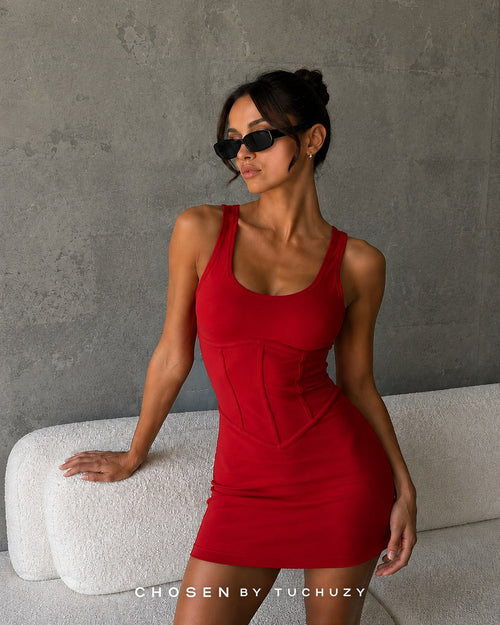
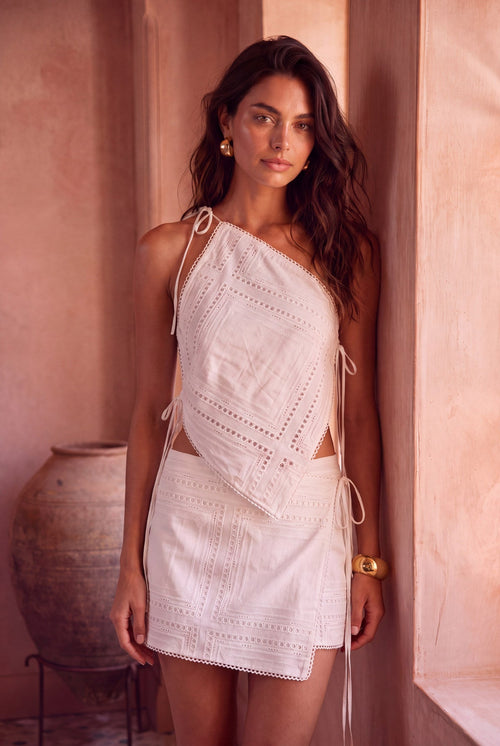
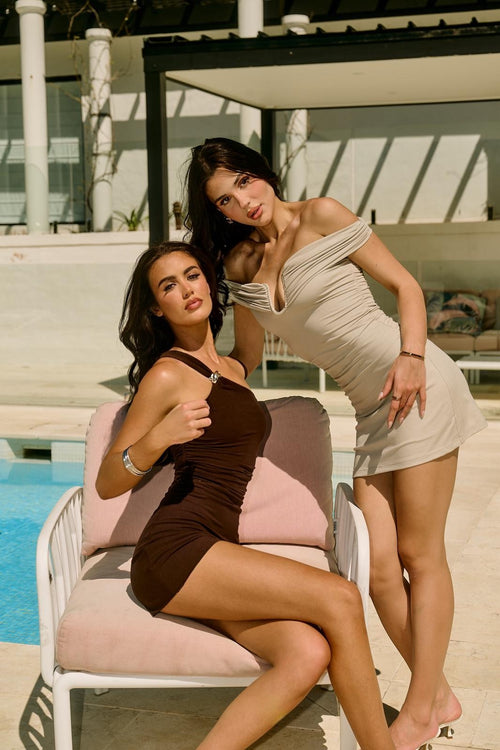
Occasion dressing is where cost per wear is most often ignored, and where it is most useful. A dress bought for one wedding and never worn again is the classic example. The answer is not to stop buying occasion pieces; it is to buy the ones that restyle. A fluid midi from the midi dresses edit that works with sandals for a garden wedding and a blazer for a dinner has a completely different cost per wear from a heavily embellished piece that only ever suits one kind of room. Our own label was designed around this exact principle: the Chosen by Tuchuzy dresses are cut in fabrics and shapes that carry from a Bondi afternoon to an evening without asking to be changed, which is why they keep appearing in the same customer's wardrobe in different colours.
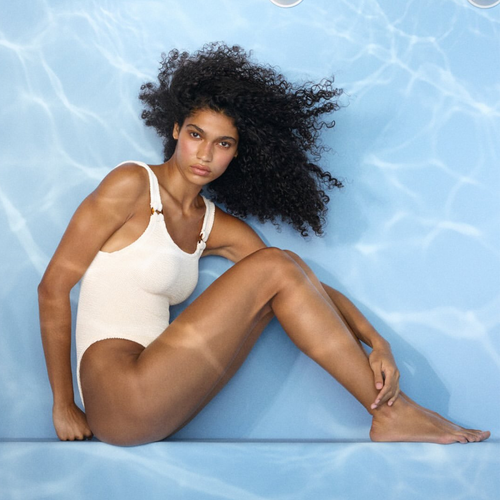
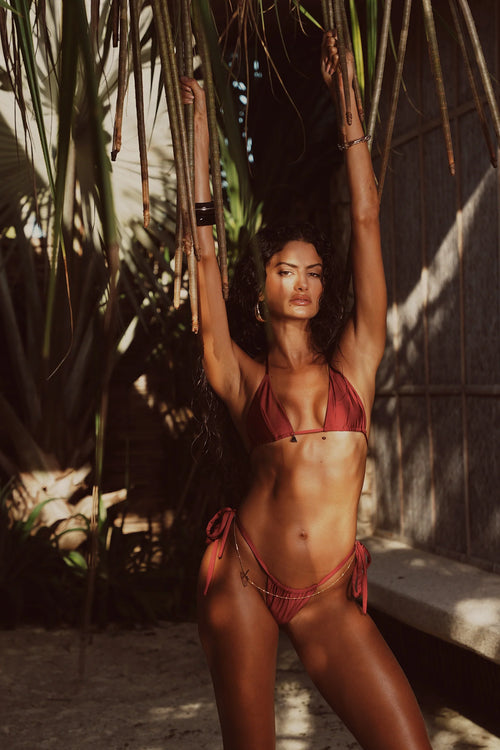
Swimwear is the other category people underestimate. A well-made one-piece or bikini worn every weekend through a Sydney summer, then packed for a northern-hemisphere holiday, racks up wears quickly. The crinkle pieces from Hunza G in particular are designed to be worn, washed and worn again for years, and the wider swimwear edit is chosen with the same eye. Our guide to washing swimwear is the other half of that equation.
Care Is Half the Maths
Cost per wear only works if the piece survives long enough to be worn. This is where care stops being a chore and becomes the most economical habit in the wardrobe. Washing denim less often and cold, and never tumble-drying it, is the single biggest thing you can do for a pair of jeans. Knitwear wants a hand wash or a cold wool cycle, a flat dry and a folded shelf rather than a hanger. Linen improves with washing but dislikes high heat. Silk and satin want a gentle hand and a cool iron. We have written detailed guides to washing jeans, washing wool and washing linen, and every one of them is really a guide to lowering cost per wear. So is repair. A re-sewn button, a re-hemmed trouser or a professionally patched knee keeps a favourite in rotation for another year at very little cost, and a good tailor is one of the best investments a wardrobe can make.
How to Run the Numbers Before You Buy
You do not need a spreadsheet. Standing in the fitting room, or looking at the product page, ask three questions. First, can you name three outfits from your existing wardrobe this piece slots into today? If not, it will wait for the perfect occasion and the occasion will not come. Second, will you still want to wear it in three years, or is it built on a detail that will date quickly? Third, can you care for it at home, or does it need a dry cleaner every time, which quietly adds to the real cost and reduces how often you will bother? A piece that passes all three is very likely to earn its place. A piece that fails two is a rental, however it is dressed up.
Fit is the quiet fourth question. A jean that is almost right will be worn a handful of times and then avoided; the one that fits properly will be worn until the knees go. This is one reason we still run a boutique on Hall Street after three decades: trying things on with someone who knows how a cut behaves on a real body is the surest way to get the wears up. If you are in Sydney, visit us in Bondi Beach. If you are not, our team will talk you through fit before you order, and we ship worldwide, including to the United States, so the same considered edit reaches a wardrobe in Los Angeles or New York as easily as one in Bronte.
Your Questions Answered
What is cost per wear? It is the price of a garment divided by the number of times you wear it. The more you wear something, the lower its real cost, which is why a well-made piece worn for years is usually the most economical thing in a wardrobe.
Is buying expensive clothes actually cheaper in the long run? Only if you wear them. A well-constructed piece in a cut and colour you reach for constantly will usually beat several cheaper pieces that are worn a handful of times. A costly piece worn twice is still expensive.
Which pieces have the lowest cost per wear? Almost always jeans, good tees and tanks, a heavyweight sweatshirt or fine knit, a blazer, tailored pants and swimwear worn through a whole season. These are the pieces we would build a wardrobe around first.
How does cost per wear relate to sustainable fashion? Wearing what you own more often, and buying fewer pieces as a result, is the most reliable way to reduce the footprint of getting dressed. It does not depend on any fabric claim; it depends on your habits.
Does caring for clothes really make a difference? Yes. Cold washes, less frequent washing, flat drying for knits and a good tailor for repairs can double the life of a garment, which halves its cost per wear.