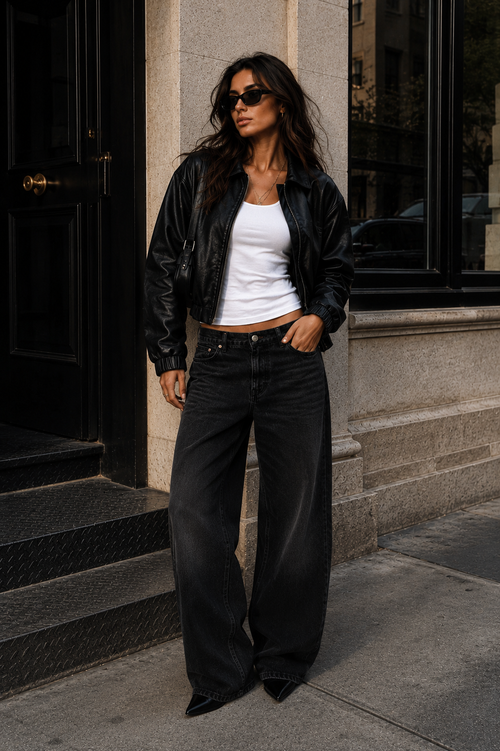
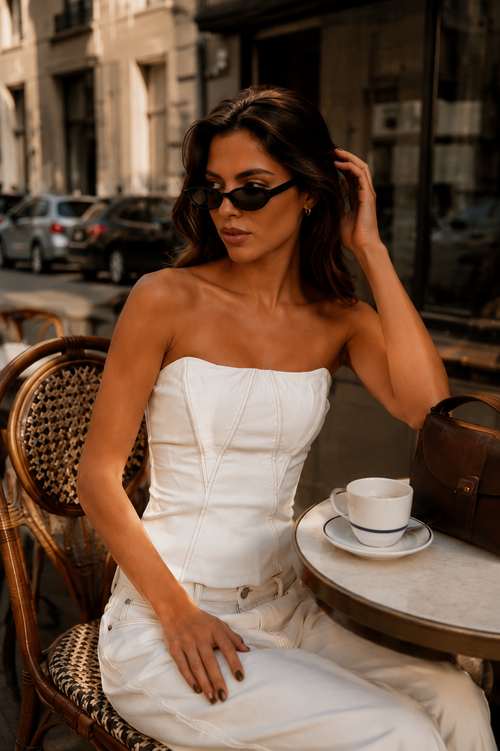
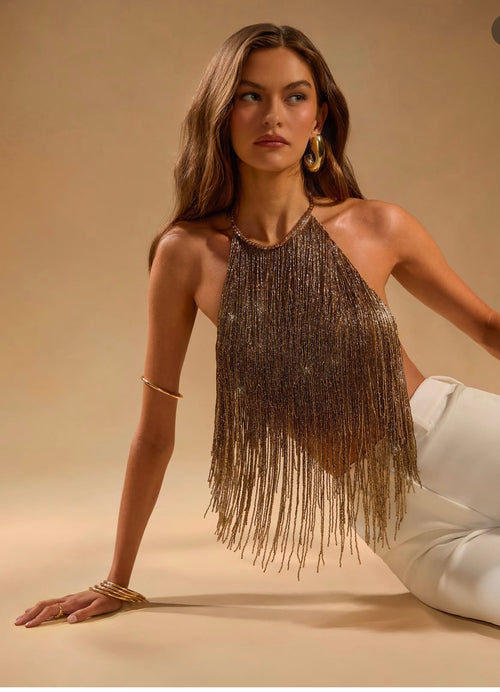

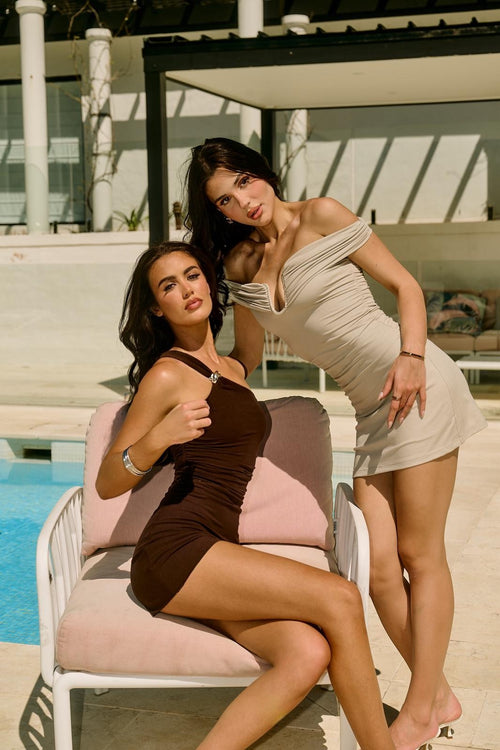


There is a specific moment that arrives with a black tie invitation. You read the line at the bottom of the card, you feel a small flicker of pleasure, and then a much larger flicker of panic. Black tie is the dress code everyone recognises and almost nobody can define. It sits somewhere between the wedding you wore a linen midi to last summer and the kind of evening that involves a floor-length gown and a car booked in advance.
The good news is that a black tie wedding guest dress is far less rigid than the phrase suggests. It is not a costume. It is a question of weight, length and restraint - three things that a well-edited wardrobe already understands. Here is how we think about it, and how the women who come into the shop on Hall Street actually solve it. And if the invitation in your hand says something other than black tie, our complete guide to what to wear to a wedding maps every dress code, season and venue.
What black tie actually asks of you
Black tie, in the context of a wedding, is a request for evening formality. It means the fabric should have some presence - satin, silk, crepe, sequin, a heavy jersey with real drape. It means the length should be long, or long enough that it reads as considered rather than casual. And it means the styling should be pared back, because at black tie the dress is doing the work and the accessories are simply keeping it company.
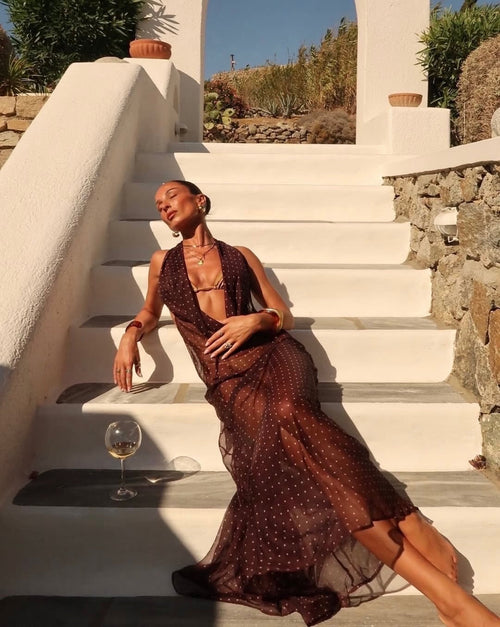
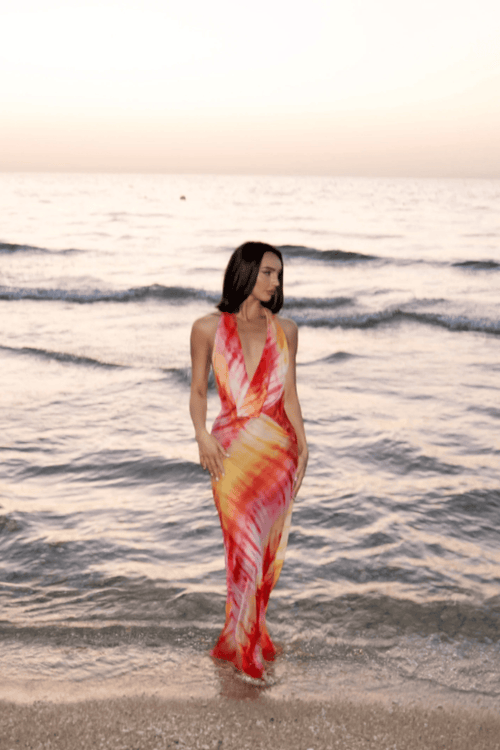
What it does not mean is that you need a ballgown. The contemporary black tie wedding guest is far more likely to be wearing a bias-cut column, a fluid maxi in a saturated colour, or a beautifully cut sequin dress that stops at the knee, than anything with structure and boning. Australian weddings in particular have loosened the code. A black tie reception in Sydney is not the same event as a black tie gala, and dressing for it as though it were is the single most common mistake we see.
The other thing worth naming: black tie does not mean black. Black is a perfectly good answer, and often the most elegant one, but a deep green, a burnished camel, an ivory, or a strong red will read just as formal provided the fabric carries weight. Ivory and white are the exceptions to consider carefully - the rule about not competing with the bride still stands, and it is not a rule worth testing.
The silhouettes that carry an evening
In our experience there are four silhouettes that reliably work, and they map neatly onto what a woman already knows about her own body.
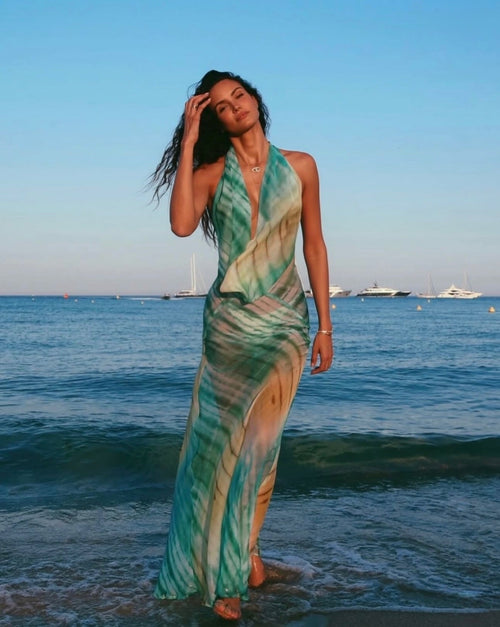
The column. A straight, floor-skimming line in a fabric that falls rather than flares. This is the most classically black tie of the options and the most forgiving over a long night. A piece like the Janthee Mona Dress Verdora - fluid, floor-length, entirely uncomplicated - lives in this category, and it sits within our maxi dresses edit alongside the rest of the long-length range.
The bias slip. The dress that made evening dressing feel modern again. Cut on the bias so that it moves with you rather than holding you, a slip in silk or satin is the choice for the woman who wants to be dressed up without feeling dressed up. It photographs beautifully, it dances well, and it does not require rethinking your posture. The womens dresses and silk dresses collections carry this shape across several labels.
The statement sequin. When the invitation says black tie and the venue has a dance floor, sequin is not excessive - it is correct. The strongest sequin and embellished pieces land seasonally in our wedding guest dresses edit, and the ones that read as considered rather than costume share the same DNA: soft colour, clean cut. Sequin done well is about restraint everywhere else in the look.
The dark, sharp midi. For a black tie wedding that starts in daylight or takes place somewhere with sand underfoot, a strong midi in a heavy fabric can outperform a floor-length gown. The Hansen and Gretel Kora Dress Black is exactly this kind of piece. Anything from the midi dresses edit in a satin or crepe will hold the room, provided the styling around it goes up rather than down.
Reading the venue before you read the dress code
The single most useful thing you can do before buying anything is work out where you will actually be standing. A black tie wedding in a heritage ballroom asks for something quite different from a black tie wedding on a headland with a marquee and a coastal wind. The dress code is the same; the physics are not.
For an indoor evening reception, weight is your friend. Heavier fabrics hang better under artificial light, and structure reads as intentional. For an outdoor or semi-outdoor wedding - and in the Eastern Suburbs, a great many of them are - fluidity matters more. A gown that catches the wind and behaves gracefully will serve you far better than one that fights it. Consider, too, what the ground is doing. Grass, sand and old stone all punish a stiletto and reward a block heel, and a hem that grazes the floor indoors will drag outdoors.
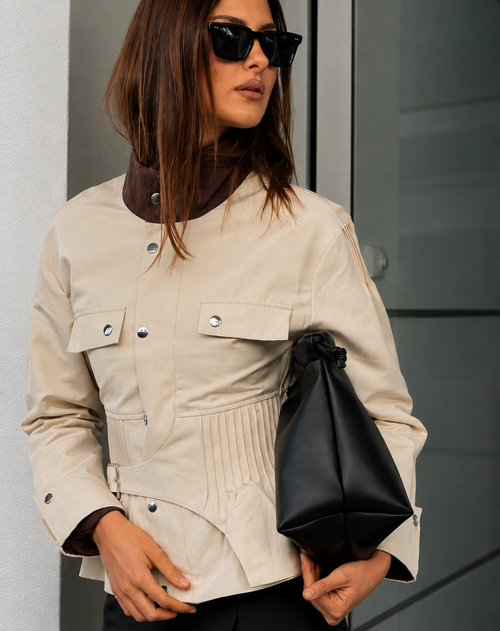
Temperature is the other quiet variable. An Australian winter wedding under a marquee gets genuinely cold once the sun goes. A fine knit or a tailored jacket that can come off for photographs and go back on for the speeches is not a compromise - it is planning. The L'Agence Kumi Cropped Jacket Midnight is sharp enough to sit over an evening dress without diluting it, and the wider L'Agence, blazers and knitwear edits cover the softer version of the same idea.
Building the rest of the look
Black tie styling follows one principle: subtract. Once the dress is right, everything else should be quiet enough that the eye keeps returning to it.
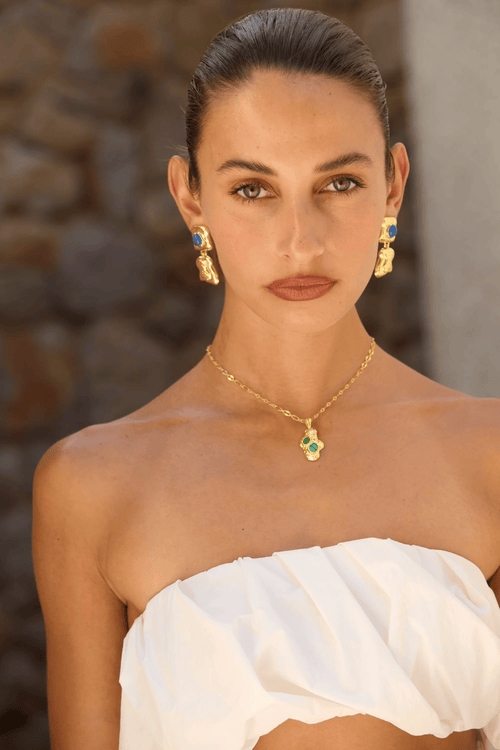
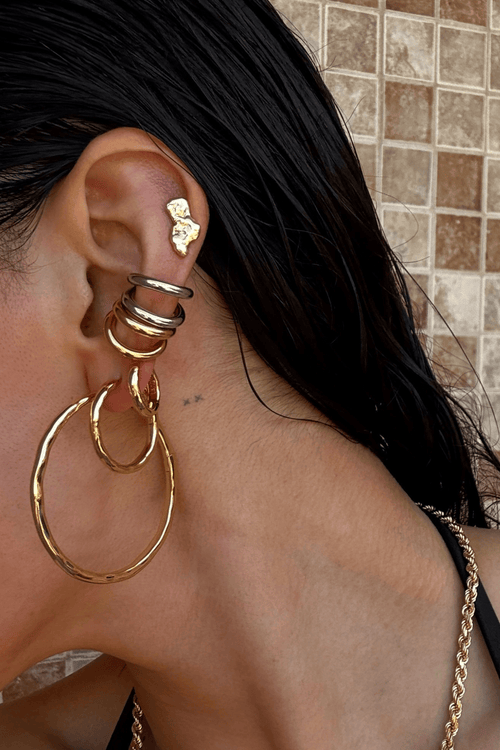
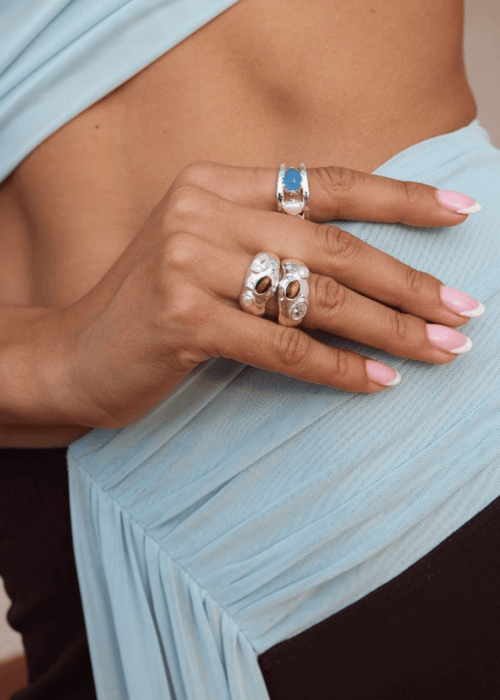
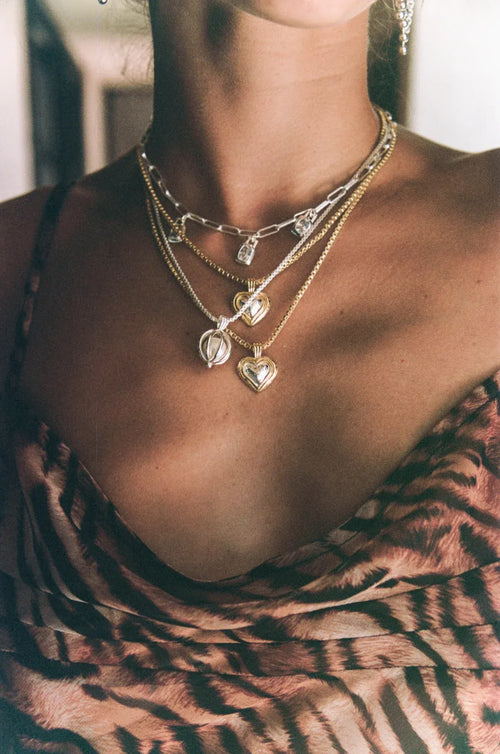
Jewellery is where most looks go slightly wrong. One considered piece - a strong earring, or a single fine chain - is almost always more effective than three. Our designer jewellery edit is built around exactly that logic: pieces that carry a look on their own rather than needing company. If the dress has any embellishment, let the jewellery step back entirely.
A clutch or a small structured bag from the bags edit is the correct scale. Shoes should be comfortable enough that you can stand for an hour of canapes and a set of speeches without regretting the entire evening - and here, honestly, a beautiful block heel has ended more suffering than any other footwear decision in occasion dressing.
Finally, the outer layer. If you are going to need one, choose it at the same time as the dress rather than the night before. A coat thrown on in desperation is visible in every photograph taken between the ceremony and the car.
Where to see it in person
Occasion dressing is one of the few things that genuinely benefits from a mirror and a second opinion. Fabric weight and drape are almost impossible to judge from a photograph, and the difference between a dress that works on you and a dress that works on a hanger is usually five minutes in a fitting room. If you are in Sydney, visit us on Hall Street in Bondi Beach - we have been dressing women for weddings here since 1995, and we are very good at telling you the truth about a hemline.
If you are not in Sydney, that is entirely fine. Tuchuzy ships worldwide, including across Australia and to the United States, and the full occasion edit is online.
Your questions answered
Can I wear a short dress to a black tie wedding? Yes, if the fabric earns it. A knee-length dress in sequin, satin or heavy crepe reads as black tie. The same length in cotton or jersey does not. Length is a signal, but fabric is the message.
Is black too safe for a black tie wedding? No. Black is the most reliably elegant answer there is, and the only risk is that it disappears in photographs taken in a dark room. If you want insurance, choose black with texture - satin, sequin, or a fabric with real sheen.
What is the difference between black tie and cocktail? Cocktail permits shorter lengths, lighter fabrics and more casual styling. Black tie asks for evening weight and, generally, more length. If the invitation says cocktail rather than black tie, the cocktail dresses edit is the right place to look.
Can I wear a jumpsuit or separates? Absolutely, provided the fabric is evening-weight and the tailoring is sharp. A beautifully cut jumpsuit in silk or crepe is entirely black tie, and it solves the grass-and-heels problem in one move. A tailored two-piece from the matching sets edit does the same job.
How far ahead should I decide? Earlier than you think. Alterations take time, and the dress you love is rarely the dress that fits perfectly straight off the rail. Give yourself a few weeks if you can.