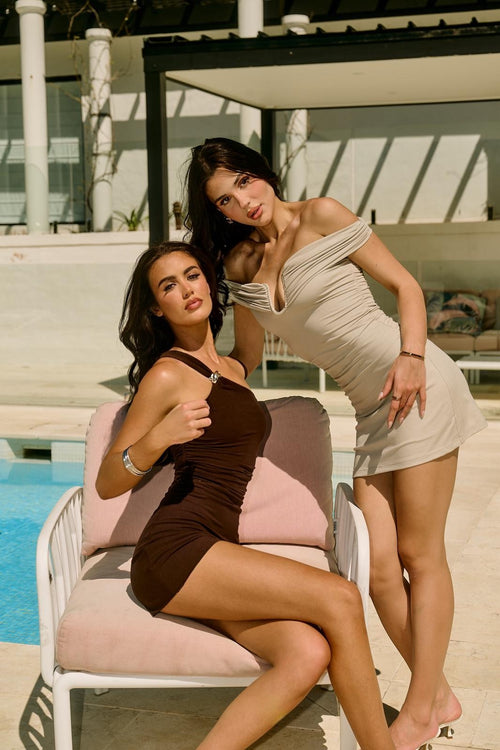


An invitation lands in your inbox and there it is: that one line that can send your whole wardrobe into question. Semi-formal attire requested. Or worse, formal.
After more than 30 years as one of Bondi Beach's original multi-brand boutiques, we have learned that dress code confusion is one of the most common reasons women second-guess an otherwise perfect outfit.
The good news is that the difference between semi-formal and formal dressing is not a mystery. It comes down to a handful of consistent signals: length, fabric, embellishment, and the tone of the event itself.
Once you know what to look for, choosing the right dress becomes second nature. Below, we walk through exactly what separates these two dress codes and how to wear each one with total confidence.
Features of a Semi-Formal Dress
Semi-formal dressing lives in the sweet spot between casual and full-blown gala wear, giving you room to play with length, fabric, and detail while still looking polished. The dresses that succeed here share a handful of defining traits:
Length
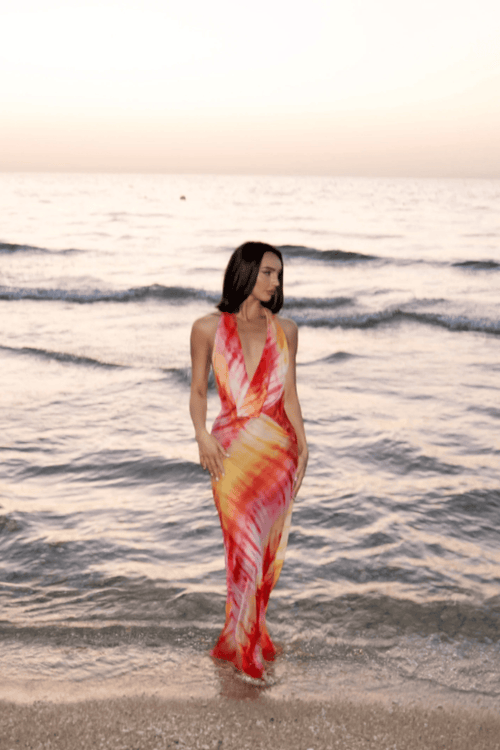
Semi-formal dressing gives you room to breathe. Knee-length, tea-length, and midi cuts all qualify, and this flexibility is precisely what makes the category so wearable. Unlike formal gowns, a semi-formal dress does not need to sweep the floor to feel appropriate. For a closer look at how length changes a silhouette, our guide to the midi vs maxi dress breaks it down. On our floor right now, the Chosen Chilli Twist Midi Dress is the clearest example of the semi-formal length done well, and the full midi dresses edit is the durable place to compare it against others.
Fabric
Lighter fabrics define this category. Crepe, lace, jersey knits, and soft chiffon all strike a balance between polish and ease of movement. From our experience, these fabrics photograph beautifully without feeling stiff or overdone.
It is exactly this kind of easy elegance that draws us to Janthee, whose fluid silhouettes and considered draping have become a go-to for semi-formal dressing in our boutique.
Embellishment
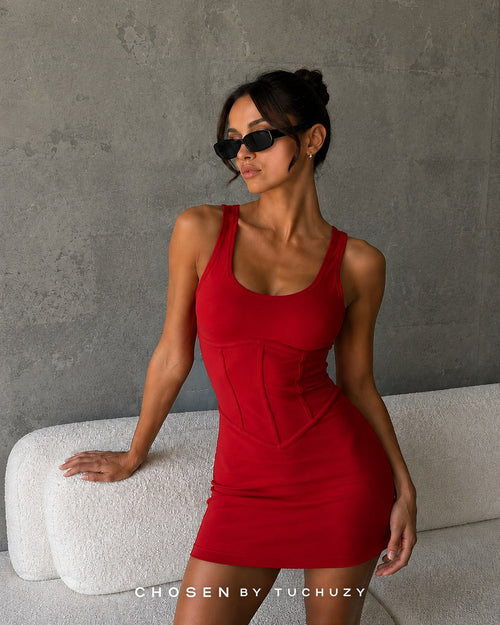
Semi-formal dresses tend to favour restraint. A subtle sequin trim, delicate lace overlay, or clean tailored line does the job. The embellishment is there to add interest, not to dominate the silhouette. The cocktail dresses edit is where this register lives at Tuchuzy.

Silhouette
A-line, sheath, and fit-and-flare shapes dominate semi-formal racks for good reason. They flatter a wide range of body types and allow for easy movement, whether you are seated at a dinner or dancing afterwards.
Essentiel Antwerp is a favourite of ours in this category, known for relaxed, flowy silhouettes designed to drape over the body rather than cling to it, carrying effortlessly from an afternoon event into the evening with just a change of shoe.
Features of a Formal Dress
Formal dressing leaves far less room for interpretation. It follows a clear set of rules built around drama, luxury, and floor-sweeping elegance, and the features below make that unmistakable:
Length
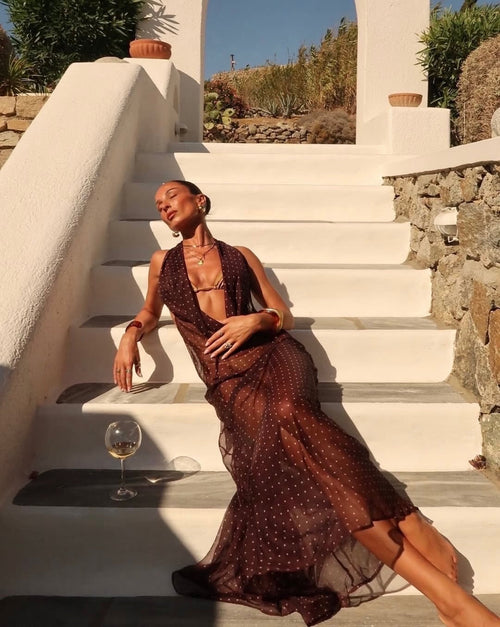
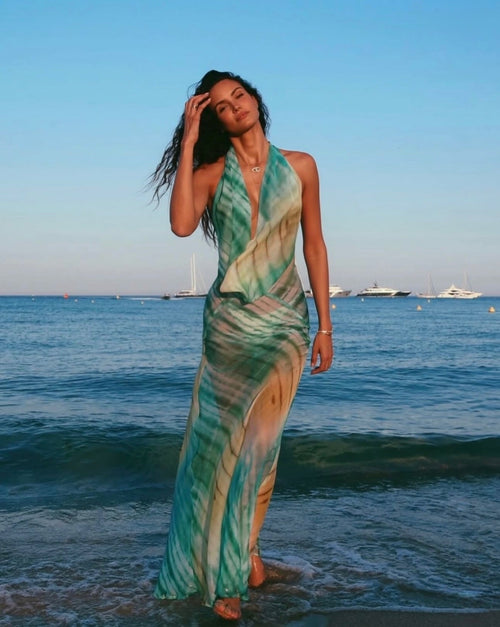
Formal dresses are almost always floor-length. This single detail is the clearest indicator of formality, and it is rarely negotiable. A gown that grazes the floor signals that the occasion calls for real ceremony. The maxi dresses edit is where the floor-length silhouettes live at Tuchuzy, and the formal dresses and evening dresses edits gather the occasion pieces specifically.
Fabric
Formal gowns rely on fabrics with weight and shine, including silk, satin, velvet, and taffeta. These materials hold structure and catch light beautifully under evening lighting, which is exactly why they remain the standard for black-tie events. Our satin dresses edit is the place to see that shine in person.
Johansen is one of our most trusted names for this level of occasion dressing, with pieces built to hold their shape and their shine from cocktail hour through to the last dance.
Embellishment
Formal wear leans into detail. Beading, embroidery, and structured bodices with boning are common, and these elements add a sense of occasion that casual fabrics simply cannot replicate.
Silhouette
Ball gown, mermaid, and column silhouettes are built to command a room. Each one is designed for a dramatic entrance, and after years of dressing women for their biggest nights, we can confirm that a well-cut formal silhouette does more to elevate an outfit than any accessory ever could.

When to Wear a Semi-Formal vs a Formal Dress
Knowing the features of each dress code is only half the equation. Just like with a midi vs maxi dress or chinos vs dress pants, the rest comes down to reading the occasion correctly and choosing the level of formality it actually calls for.
Semi-Formal Dress
Reach for a semi-formal dress when the event is dressy but not ceremonial. If you are looking for daytime wedding guest dresses or you are heading to a cocktail party, garden celebration, or a rehearsal dinner, we would recommend a semi-formal dress. Our guides to what to wear to a cocktail party and what to wear to a rehearsal dinner take each of those occasions further.
In our view, semi-formal is the dress code that does the most work in a woman's wardrobe, covering everything from a Sunday lunch at Bondi Icebergs Dining Room to a friend's engagement party at Hotel Ravesis with equal ease.
Formal Dress
Save the formal gown for occasions that are explicitly evening-focused and steeped in tradition. Black-tie weddings, galas, military balls, and formal award ceremonies all call for the drama and polish of floor-length dressing. If an invitation mentions black tie or evening dress, a formal gown is the expected answer; our guide to the black tie wedding guest dress covers that brief in full.
After more than 30 years dressing women for their biggest nights, we have learned the drape and structure of a floor-length dress can shift entirely once you are standing and moving in it, so it is always worth trying a few silhouettes before committing to the one.
How to Style Semi-Formal and Formal Dresses
The dress sets the tone, but styling is what finishes the look. Here is how we would accessorise each type of dress to get it exactly right:
Semi-Formal Dress
- Pair with block heels or dressy flats from the footwear edit for comfort during longer events
- Layer a tailored blazer from the blazers edit or a cropped jacket over the dress for cooler venues
- Choose a mid-size clutch or small crossbody from the bags edit for practicality
- Mix delicate and statement pieces from the jewellery edit for a look that feels current
Formal Dress
- Opt for classic pumps or strappy heels in metallic or neutral tones
- Carry a small, structured clutch that complements the gown's colour
- Select fine jewellery, such as a simple pendant or diamond studs, and let the dress lead
- Add a wrap or evening coat for outdoor formal events in cooler months
Want more styling tips for your wardrobe? Check out our guides on tank top vs singlet and date night outfits.

Conclusion
Semi-formal and formal dressing both have their place, and understanding the distinction takes the guesswork out of getting ready. Semi-formal dresses offer flexibility in length and fabric while still feeling elevated, ideal for cocktail parties and daytime celebrations.
Formal gowns, on the other hand, are built for evenings that call for real occasion, with floor-length silhouettes and richer fabrics that command attention.
At Tuchuzy, we cater for both moments, and we know the right dress is the one that lets you feel entirely at ease. Read your invitation carefully, then browse our collection of women's dresses to find your perfect fit for whatever the occasion calls for, or visit us in Bondi Beach. We ship worldwide, including express delivery to the United States.