








There is a point every spring, usually around the first genuinely warm morning, where the whole wardrobe question resolves itself into one item. Linen pants. Something loose through the leg, something that does not stick, something you can pull on without negotiating. It is not a complicated garment and it does not need to be. But there is a real difference between a pair of linen pants you wear once and quietly retire, and a pair you reach for four days out of seven for three summers running.
That difference is almost entirely about cut and cloth. We have been selling linen from our Hall Street boutique in Bondi Beach since 1995, and we have watched a lot of it come and go. What follows is what we have learned about buying the pair that stays.
Why Linen Earns Its Place Here
Linen is a flax fibre, and it does two things almost nothing else does. It moves moisture away from the skin quickly, and it holds its shape away from the body rather than clinging to it. On a thirty degree day walking up from the beach, that combination is the entire argument. Cotton gets heavy. Synthetics trap heat. Linen just keeps working.
The trade-off, of course, is the crease. Linen creases, and it will crease on you, and there is no version of this fabric that does not. What separates a good pair from a bad one is the character of the crease. A well-woven, properly weighted linen creases softly and settles - it reads as lived-in. A thin, loosely woven linen creases sharply and looks slept in. This is the single most useful thing to check when you are holding a pair in your hands: scrunch a section in your fist, let go, and watch what it does.
Weight matters too. Very light linen is beautiful in a shirt and unreliable in a trouser, because it will show every line underneath and lose its shape by mid-afternoon. A mid-weight linen with a little body holds the leg line and drapes rather than collapses. Our pants edit is filtered on exactly that criterion, and the broader linen collection carries the fabric across the rest of the wardrobe.
The Three Cuts That Actually Matter
Linen pants come in a hundred variations and only three of them really change how you wear them.
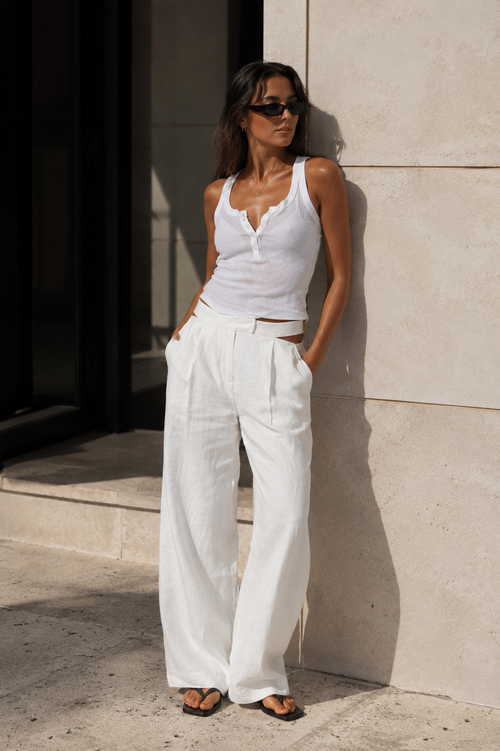
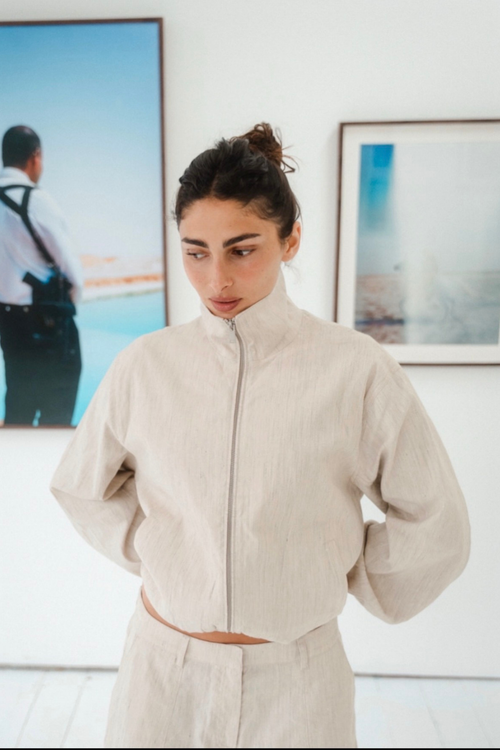
The first is the relaxed wide leg. This is the shape most people mean when they say linen pants - full through the thigh, falling straight to the ankle or just past it. It is the most forgiving cut, it moves the most, and it is the one that works with the widest range of tops. The Deconstructed Linen Pant in white from our in-house label is the version we make ourselves, with a raw, unfinished edge that stops the pair reading as formal. It is the piece we sell most of, and the reason is simple - it goes with everything already in the drawer.
The second is the low-rise, softer-waisted cut. This sits lower on the hip and reads more relaxed, more coastal, less considered in the best way. The Linen Raw Low Rise Pants are cut for exactly that - worn with a tank and nothing else, or over swim on the walk home. Both sit within Chosen pants, which is where our own label puts its trouser thinking.
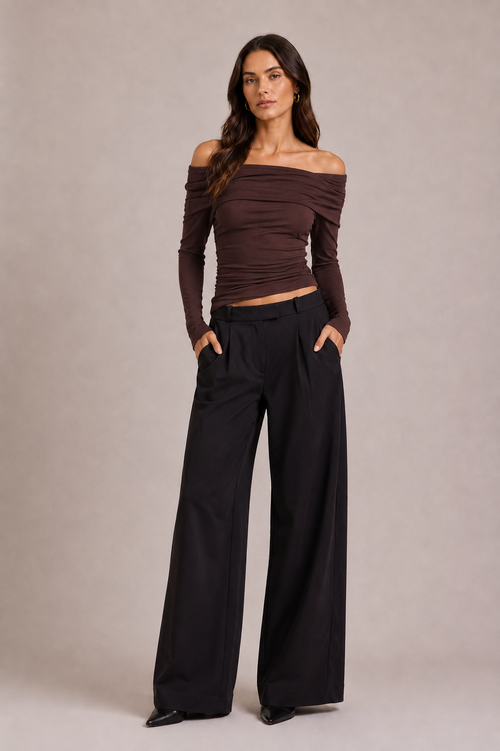
The third is the tailored cut, and it is the one most people skip and then wish they had not. A linen trouser with a proper waistband, a pressed line and a hem that breaks cleanly over a shoe is a genuinely useful summer work piece. It reads as tailoring, not as holiday. If you want the same fabric with more leg out, the Tailored Micro Linen Shorts take the identical construction and shorten it, and the full linen shorts edit runs the same idea across lengths.
White Linen Pants, Without Overthinking Them
White linen pants have a reputation for being difficult, and most of that reputation is undeserved. The real issue is not stains. It is opacity. A white linen trouser in a thin weave will be sheer in direct sun, and you will discover this at the least convenient possible moment.
Solve it once and stop thinking about it. Look for a pair with a lining through the seat and upper leg, or choose a mid-weight cloth where holding it to a window shows no light through the weave. Then wear seamless neutral underwear in a tone close to your skin rather than white, which is counterintuitive and correct - white under white shows more than a nude tone does.
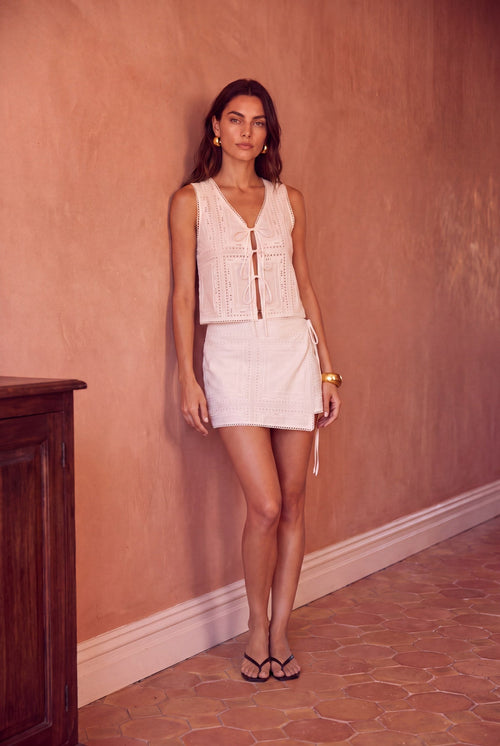
After that, white linen is the easiest thing in the wardrobe. It works with every colour. It photographs beautifully in the flat glare of an Australian summer. And it gets softer and slightly less white with every wash, which is the point rather than a problem.
What Goes On Top
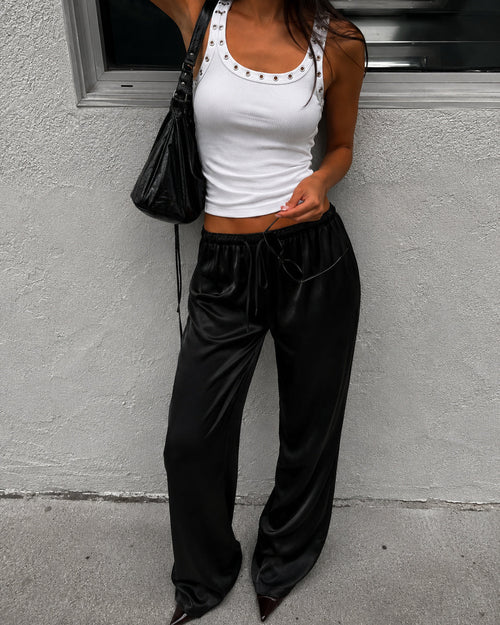
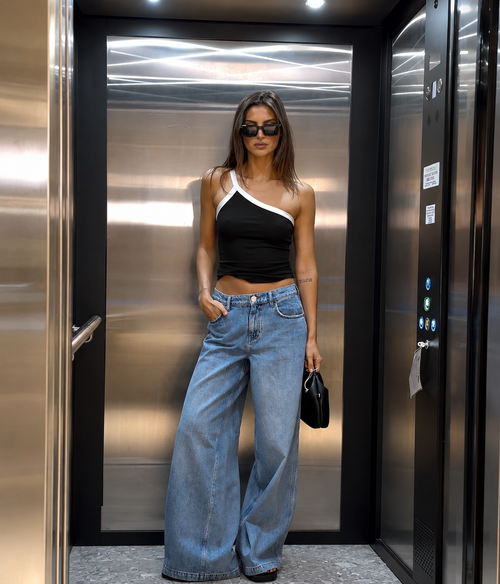
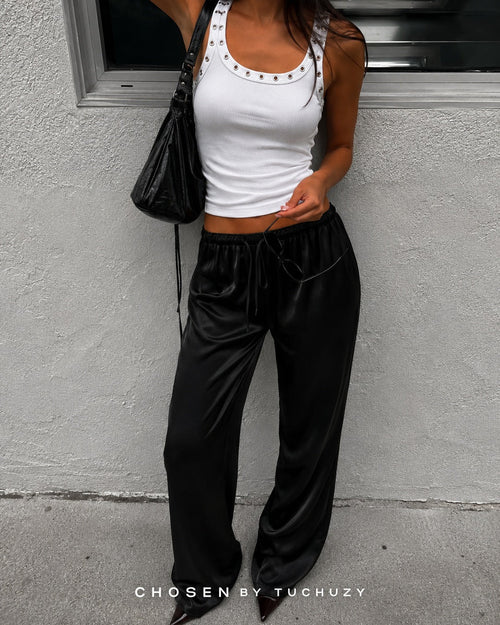
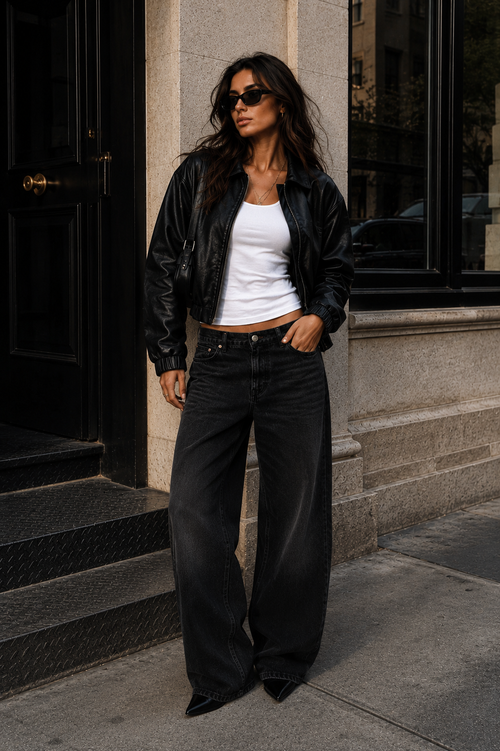
The top half is where linen pants either land or do not, and the principle is straightforward: contrast the volume. Wide leg wants something closer to the body. Tailored and narrow can take something oversized.
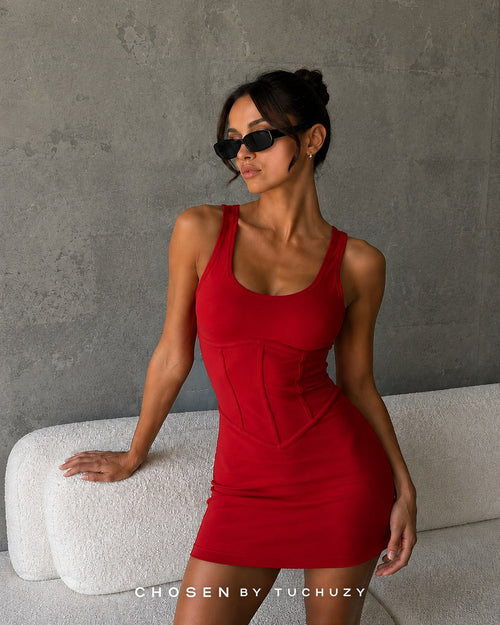
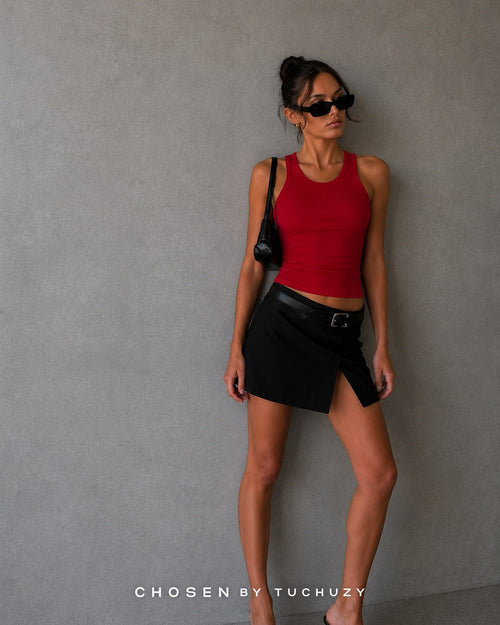
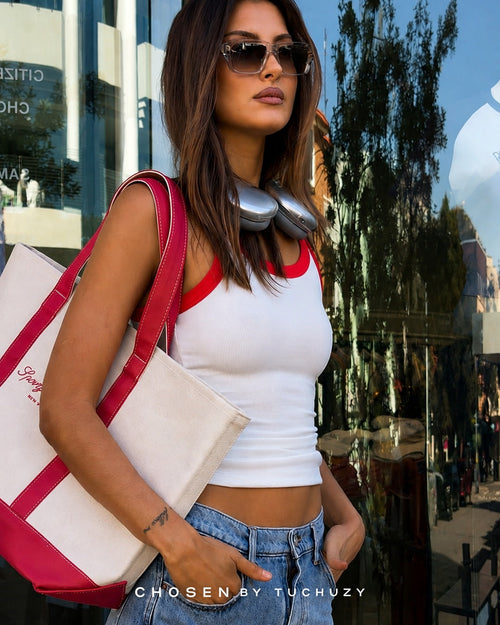
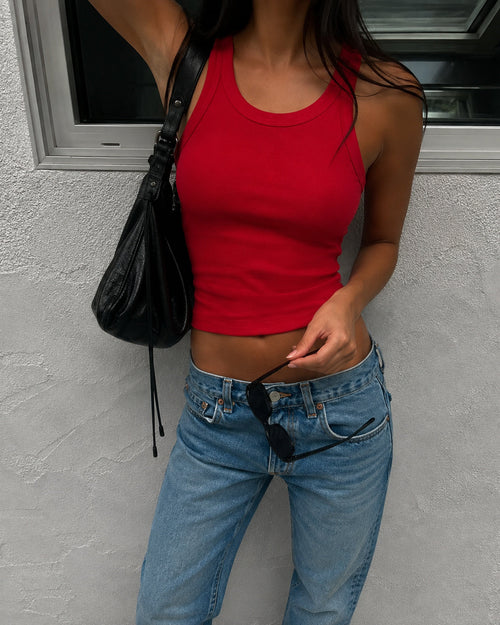
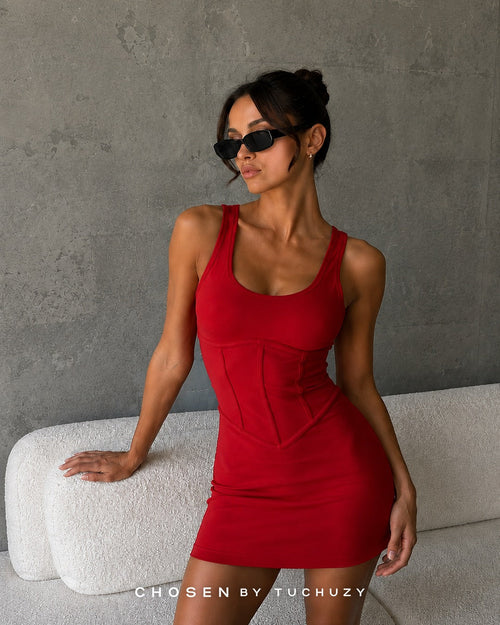
With a wide-leg pair, a simple fitted tank is the most reliable answer there is. The Crew Tank in chilli is a good example of why colour is worth the risk here - a warm red against white linen reads deliberate rather than accidental. The wider tops and tanks edit covers the neutral versions.
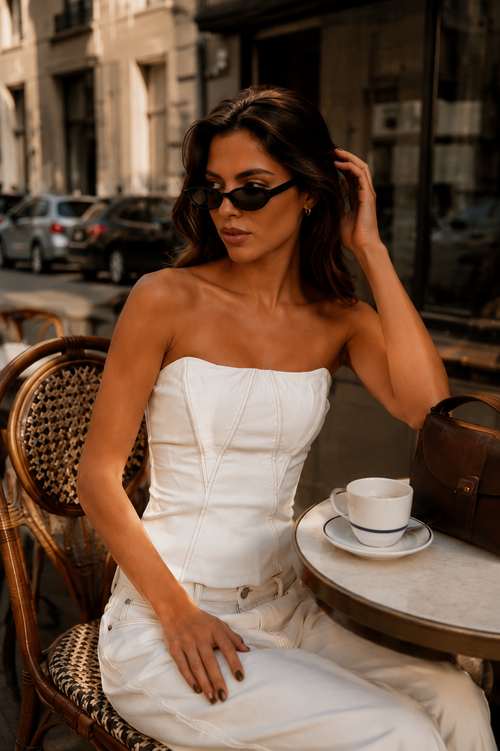
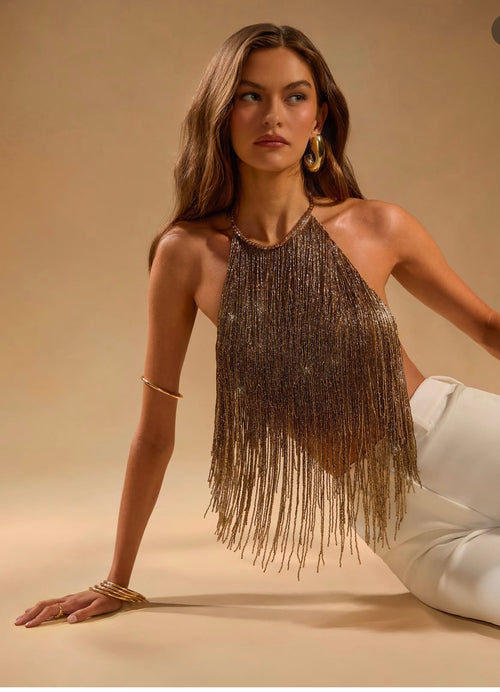
For evening, stay in the same fabric family and change the register. The Linen Resin Halter Top in black and the Linen Resin U Wire Top in white both use a structured linen against a bare shoulder, which is how you get a linen trouser into a dinner without it looking like you came straight from the beach. All three of those pieces come from Chosen by Tuchuzy, designed here and cut for the way this city actually dresses. More tops in the same spirit live in Chosen tops, which is the durable place to look when a single colour sells through.
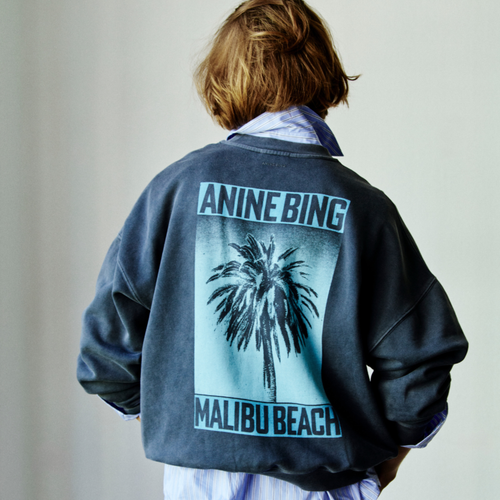
A washed tee is the third option and the most everyday. Something like the Anine Bing Cade Tee in Melrose Stencil washed black tucked loosely at the front is about as low-effort as a considered outfit gets - the full Anine Bing t-shirts edit is where to look for that soft, already-worn cotton. An open shirt over the top handles the sun and the air conditioning both.
Carrying Linen Through the Shoulder Seasons
The mistake is treating linen as a summer-only fabric. It is not - it is a warm-weather fabric that layers unusually well, and in a Sydney spring it does more work than almost anything else in the wardrobe.
The formula is simple. Add a knit and change the shoe. A fine merino or cotton knit from the knitwear edit over a linen trouser, with a loafer or a closed shoe from footwear instead of a sandal, turns the same pair into something you can wear at nine in the morning in September. A structured layer from the blazers collection does the same job with more polish.
Linen also travels better than its reputation suggests. Roll rather than fold, pack it near the top, and hang it in the bathroom while you shower on arrival. Twenty minutes of steam resets almost everything. It is one of the reasons a linen trouser earns its place in a carry-on ahead of anything structured - and if you are packing around swim, the swimwear edit pairs with it naturally. Heading to the airport in them? Our airport outfit guide shows how to build a long-haul look around a relaxed trouser.
Making a Good Pair Last
Linen improves with washing, which is unusual and worth using. Wash cool, on a gentle cycle, with a mild detergent and no fabric softener - softener coats the fibre and stops it breathing, which removes the entire reason you bought it. Skip the dryer. Hang in shade rather than direct sun, because prolonged UV weakens flax and fades colour unevenly. Our fuller guide to how to wash linen goes through it step by step.
If you want the crisp look, iron while slightly damp on a medium-hot setting. If you want the softer, lived-in look, do nothing at all and let it settle. Both are correct. Store folded rather than hung, since a heavy linen trouser can stretch at the waistband over a season on a hanger.
Your Questions Answered
Do linen pants shrink? A small amount on the first wash, mostly in length, and mostly if the linen has not been pre-washed by the maker. Wash cool and skip the dryer and you will lose very little. If you are between sizes and the pair is unlined and unwashed, the larger size is usually the safer call.
Are linen pants appropriate for work? A tailored pair in a mid-weight cloth, in navy, black or a deep neutral, absolutely. Keep the crease crisp, choose a closed shoe, and pair with a structured top rather than a tank. The relaxed wide-leg and low-rise cuts read more weekend, which is a different and equally good use for them.
How do I stop white linen pants being see-through? Check the weave against a window before you buy, choose a lined pair or a heavier cloth, and wear underwear closer to your skin tone rather than white. Those three things solve it permanently.
What shoes work best? A flat leather sandal for the beach end of the day, a loafer or a low mule for anything more considered, and a block heel for evening. The one thing to avoid is a shoe with a heavy sole and a delicate linen - the proportions fight each other. Browse the footwear edit with the hem length of your pair in mind.
Can I wear linen pants in winter? In a Sydney winter, on a mild day, with a knit and a closed shoe - yes, and plenty of our customers do. In a genuinely cold climate, no. Linen conducts heat away from the body, which is precisely what you do not want in February in New York. We ship worldwide including to the United States, so it is worth thinking about which season you are actually buying for.
Come and Feel the Fabric
Linen is one of the few things genuinely worth touching before you commit, because weight and hand are almost impossible to judge on a screen. Come and visit us on Hall Street in Bondi Beach and try a few cuts against each other. Or shop the edit online from anywhere - we ship across Australia and worldwide, including to the United States.